Embracing the Charm of Messy: A Handwritten Font for Authentic Designs
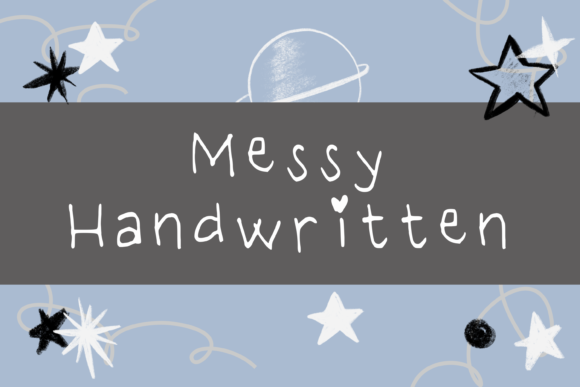
In a digital landscape often dominated by sleek, corporate typefaces and pixel-perfect interfaces, there is a growing hunger for authenticity. Audiences crave connection, warmth, and a human touch in the visual media they consume. This shift has led designers to explore typography that feels less manufactured and more organic. At the forefront of this movement is Messy, a cute and friendly handwritten font that bridges the gap between digital precision and analog charm. It is not just a typeface; it is a design tool that injects personality into any project.
Understanding the Appeal of Handwritten Typography
Before diving into the specific applications of this resource, it is essential to understand why handwritten fonts like Messy are so effective. Typography is the voice of design. While a serif font might speak of tradition and authority, and a sans-serif suggests modern efficiency, a handwritten font speaks of individuality. It mimics the irregularities of human handwriting, which subconsciously signals to the viewer that there is a real person behind the message.
Messy excels in this area because it strikes a delicate balance. It is "messy" enough to feel natural and spontaneous, yet clear enough to remain legible across various sizes. This unique style makes it incredibly fitting for a large pool of designs, moving away from the stiffness of corporate branding toward a more relatable aesthetic.
Overcoming the "Coldness" of Digital Communication
One of the primary challenges modern creators face is the inherent coldness of digital communication. Whether you are a small business owner sending out newsletters, a blogger sharing personal stories, or a graphic designer working on packaging, the screen often strips away the nuance of face-to-face interaction. Text can feel sterile and transactional.
This is where Messy addresses a critical need. By utilizing this font, designers can soften their message. It transforms standard text into a conversation. For instance, a "Thank You" note at the end of an e-commerce receipt, when set in Messy, feels like a handwritten postcard rather than an automated script. It helps overcome the barrier of the screen, fostering a sense of intimacy and trust between the brand and the consumer.
Practical Applications for Maximum Impact
The versatility of Messy is one of its strongest assets. Because it is a free resource, it democratizes high-quality design, allowing even those with zero budget to create professional and emotive visuals. Here are several practical ways to implement this font to achieve specific outcomes:
- Branding and Logo Design: For lifestyle brands, bakeries, boutique shops, or creative agencies, a logo sets the tone. Using Messy for a logo or wordmark instantly communicates that the brand is approachable and artisanal. It suggests that the products or services are crafted with care.
- Social Media Engagement: Platforms like Instagram and Pinterest are highly visual. Quotes, announcements, and call-to-actions (CTAs) often get lost in the noise. Overlaying text on images using Messy can make these posts pop. The font’s natural style grabs attention amidst a feed of polished, often impersonal content.
- Wedding and Event Stationery: Invitations, save-the-dates, and menu cards often rely on elegance. However, modern couples frequently seek a "boho" or relaxed vibe. Messy provides that romantic, carefree aesthetic that formal scripts sometimes lack.
- Blog Headers and Quotes: For content creators, breaking up long blocks of text is vital for readability. Using Messy for pull quotes or section headers adds a decorative element that guides the reader's eye and adds visual interest.
Tailoring Messy to Different User Needs
Different users will approach the integration of Messy based on their specific goals and target audiences. The adaptability of the font allows for this customization.
For the Minimalist Designer
A designer working with a minimalist aesthetic might worry that a handwritten font could clutter the layout. However, Messy can be used sparingly to create a focal point. By pairing it with a clean, sans-serif body font, the designer creates a hierarchy that is both functional and stylish. In this context, Messy acts as the accent, used only for the headline or a single key phrase to draw the eye without overwhelming the clean space.
For the Maximalist and Scrapbooker
Conversely, for those creating digital scrapbooks, collages, or busy event posters, Messy blends seamlessly into layers of texture and imagery. Its unique style mimics journaling, making it perfect for adding annotations to photos or creating a "notebook" effect. Here, the font is part of the texture, contributing to a rich, layered visual experience.
For Educators and Parents
Creating materials for children requires a specific touch. Educational worksheets, flashcards, and classroom decorations need to be engaging but not intimidating. Messy offers a friendly, relatable character that children respond well to. It feels less like a textbook and more like a note from a friend, which can help in reducing the anxiety often associated with learning new material.
Best Practices for Implementation
To get the most out of this freebie, it is important to follow some typographic best practices. While the font is designed to look effortless, the layout should be intentional.
- Contrast is Key: Because Messy has a lot of character and texture, it pairs best with simpler fonts. Avoid pairing it with other decorative or script fonts, as this will create visual chaos. A geometric sans-serif or a simple serif acts as the perfect anchor.
- Watch Your Spacing: Handwritten fonts often have unique kerning (spacing between letters). When using Messy, ensure that the letters do not collide in a way that hinders readability. Adjusting the line height (leading) can also help the text breathe, especially for longer headlines.
- Size Matters: While Messy is legible, it is best displayed at medium to large sizes. It is an excellent choice for headings, subheadings, and display text. For body copy (the main paragraph text), it is generally better to stick to a standard serif or sans-serif font to ensure the reader’s eyes don't get tired.
The Value of Free Resources in Professional Design
There is a misconception that free design resources are of lower quality than premium ones. Messy challenges that notion. By offering a high-quality, versatile font for free, the creators empower a wider range of people to participate in design. Startups can compete with established brands on visual appeal. Students can produce portfolios that look professional. Hobbyists can create gifts for loved ones that look store-bought.
Access to tools like Messy levels the playing field. It allows users to allocate their budget to other areas, such as printing costs or marketing, without sacrificing the visual integrity of their project.
Conclusion: Unleashing Creativity
The only limit to using Messy is your imagination. It is more than just a collection of vector paths; it is a vehicle for expression. In a world that often feels overly polished and curated, there is a profound beauty in the imperfect, the natural, and the human. By incorporating Messy into your designs, you are not just choosing a font; you are choosing to communicate with warmth, authenticity, and charm. Whether you are designing a wedding invite, a social media campaign, or a brand identity, this lovely freebie is a valuable addition to any creative toolkit.