Evaluating Special Free: A Guide to This Quirky Handwritten Font
In the search for the perfect typeface, designers and creators often look for a font that carries personality and warmth. Special Free enters this conversation as a quirky and fun handwritten option that promises to elevate various creative projects. However, selecting a font involves more than just admiring its aesthetic; it requires a practical evaluation of how it fits into specific workflows and design goals. This article explores the characteristics, benefits, and limitations of Special Free to help you determine if it aligns with your creative needs.
Understanding the Style of Special Free
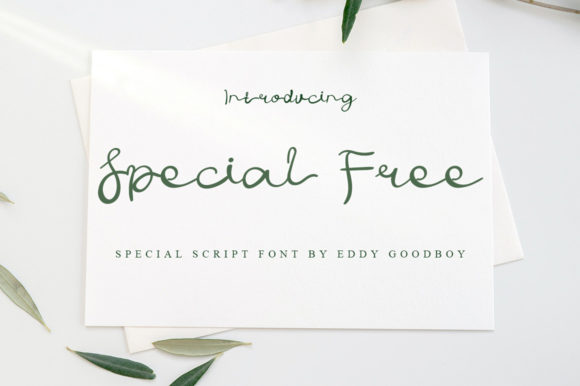
Special Free is defined by its peculiarly attractive characters and a natural, hand-drawn style. Unlike rigid, geometric sans-serifs or formal serifs, this typeface mimics the imperfections and flow of human handwriting. The design focuses on a casual, approachable aesthetic, making it distinct from standard "script" fonts that might appear overly calligraphic or formal. It is designed to add a personal touch to digital creations, bridging the gap between professional design and human warmth.
Key Benefits of Using This Typeface
The primary advantage of Special Free is its ability to inject personality into a layout. When a project requires a human element—such as a personal blog header, a greeting card, or a creative portfolio—this font provides an immediate sense of authenticity. Because it is available as a free resource, it also offers a low barrier to entry for hobbyists, students, and small business owners working within tight budgets. The visual appeal lies in its irregularity; it does not look like a computer generated it, which can help a design feel more relatable and engaging to the viewer.
Practical Considerations and Tradeoffs
While the aesthetic of Special Free is appealing, there are practical tradeoffs to consider before implementation. Handwritten fonts often present challenges regarding readability, particularly in smaller sizes or dense blocks of text. The "quirky" nature of the letterforms means that legibility can decrease if the font is used for long paragraphs. Additionally, free fonts can sometimes lack comprehensive character sets; you may find limited punctuation or a lack of extended Latin characters, which could be a constraint for multilingual projects. It is essential to test the font across different devices and sizes to ensure it remains readable in your specific context.
Ideal Scenarios for Special Free
Special Free tends to perform best in specific use cases where impact is prioritized over density. Consider using this typeface for:
- Headlines and Titles: The font's unique character shines when used at larger sizes to grab attention.
- Invitations and Greeting Cards: Its natural style mimics a personal note, adding emotional value to event stationery.
- Logo Design: For brands aiming for a rustic, artisanal, or friendly image, this font can serve as a strong foundation.
- Social Media Graphics: Short, punchy text overlays on images benefit from the font's visual distinctiveness.
In these situations, the font acts as a design element rather than just a vessel for information, allowing its quirky nature to enhance the overall composition.
When to Consider Alternatives
There are scenarios where Special Free may not be the optimal choice. If your project requires high-stakes professionalism, such as a corporate annual report, a legal document, or technical documentation, the informal nature of the font could undermine the content's authority. Furthermore, if accessibility is a primary concern, a clean sans-serif font (like Arial, Roboto, or Open Sans) is almost always a safer bet for body text. For projects requiring a more elegant, traditional script—such as luxury wedding invitations or high-end product packaging—a more formal calligraphy font might better suit the mood.
Decision-Making Insights for Designers
To determine if Special Free is right for your project, ask yourself a few key questions. First, does the tone of your content match the "fun" and "quirky" vibe of the font? If your content is serious or somber, the mismatch could confuse your audience. Second, where will the text be displayed? If the final output is mobile screens, test the font on a phone to ensure the small details don't blur into illegibility. Finally, consider the hierarchy of your design. Special Free is rarely a "workhorse" font meant to do all the heavy lifting. It works best when paired with a neutral, readable body font, allowing Special Free to handle the creative accents while the secondary font ensures clarity.
Conclusion
Special Free offers a valuable tool for creators looking to break away from sterile, standard typography. Its peculiarly attractive characters and natural style can indeed elevate a creation, provided it is used with intention. By weighing its aesthetic charm against practical readability requirements and context, you can make an informed decision that enhances your design without compromising functionality. Whether you are designing a digital flyer or a personal blog, evaluating these factors will ensure your typography works as hard as your content does.