Note Paper: The Handwritten Font That Brings Authenticity to Modern Design
In a digital world saturated with sterile, geometric typefaces and algorithmically generated layouts, the human touch has become a coveted commodity. We scroll through endless feeds of polished, corporate branding, and our eyes instinctively search for something genuine, something that feels crafted rather than constructed. This is the precise moment where the Note Paper font finds its power. It is not merely a collection of characters; it is a statement of creative intent, a bridge between the warmth of personal expression and the precision of digital design.
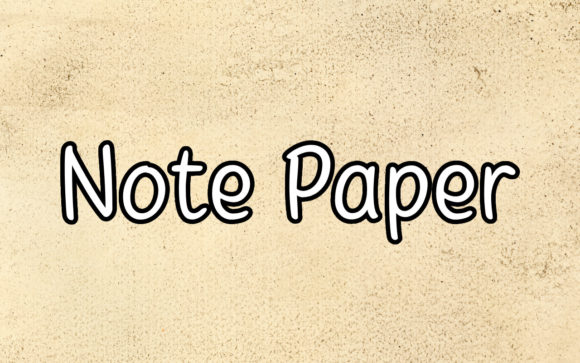
At its core, Note Paper is a creative and neat handwritten font. It was designed to capture the spontaneous beauty of a quick scribble on a notepad while maintaining the legibility and structure required for professional use. Its characters are unique and well-balanced, a rare quality in script fonts that often sacrifice readability for flair. This balance is what makes Note Paper so versatile. It doesn't scream for attention with over-the-top loops and swashes. Instead, it invites the reader in with a friendly, approachable, and slightly imperfect charm that feels inherently human.
The Enduring Appeal of the Handwritten Aesthetic
The fascination with handwritten typography is not a fleeting trend. It is rooted in a deep psychological response to authenticity. For centuries, a person's handwriting was as unique as their fingerprint, a direct line to their personality. In the age of mass communication, we have largely lost that connection. An email typed in a standard sans-serif font carries little of the sender's individual character. A social media post, however visually stunning, can feel impersonal.
This is where fonts like Note Paper step in. They allow creators, businesses, and individuals to re-infuse that personal signature into their digital communications. The evolution of font technology has made this possible. Early digital script fonts were often clunky, with obvious, repetitive letterforms that broke the illusion of natural handwriting. Modern font design, however, employs sophisticated techniques to create more fluid and authentic-looking text. Note Paper is a product of this evolution. Its well-balanced characters ensure that when letters are placed side-by-side, they flow together naturally, avoiding the awkward spacing that plagues lesser handwritten fonts.
From Personal Journals to Professional Branding
Initially, the use of handwritten fonts was largely confined to personal projects—digital scrapbooking, wedding invitations, or adding captions to family photos. Their perceived informality made them seem unsuitable for serious business applications. That perception has shifted dramatically. Today, savvy marketers and business owners understand that in a crowded marketplace, brand personality is a key differentiator.
A carefully chosen handwritten font can communicate a brand's values without a single word of copy. It can suggest creativity, craftsmanship, approachability, and a commitment to a more personal customer experience. Consider the difference between a coffee shop logo set in a bold, industrial typeface versus one rendered in a neat, handwritten style like Note Paper. The latter immediately suggests a cozy, artisanal atmosphere where every latte is made with care. This strategic use of typography helps build an emotional connection with the target audience, moving the brand from a faceless entity to a trusted friend.
Note Paper in the Modern Creative Workflow
The way we work and create has fundamentally changed. The rise of remote work, the creator economy, and the demand for constant content have reshaped our tools and processes. In this environment, efficiency and authenticity are not mutually exclusive; they are essential partners. Note Paper fits seamlessly into this modern workflow, offering a solution for creators and professionals who need to produce content that is both high-quality and personally resonant.
For the entrepreneur building a personal brand, consistency is crucial. Note Paper can be integrated across all touchpoints—from the logo on a website to the typography in an email newsletter and the text overlays on social media graphics. This creates a cohesive and memorable brand identity that feels consistent and trustworthy. The font’s neatness ensures that this personal touch never compromises clarity, which is vital for communicating important information to customers and clients.
A Practical Tool for Diverse Applications
The versatility of Note Paper is one of its most significant strengths. Its design is adaptable enough to serve a wide range of purposes without feeling out of place. Here are a few practical ways it can be applied:
- Branding and Marketing: Use it for logos, taglines, and call-to-action buttons to add a human element to digital ads and landing pages. It can make a call to action like "Learn More" or "Sign Up" feel less like a command and more like a friendly suggestion.
- Blogging and Content Creation: Employ it for article titles, pull quotes, and image captions to break the monotony of standard body text and draw the reader's eye to key points. It adds a layer of personality to a blog post, making the author's voice feel more present.
- Social Media Engagement: Create eye-catching graphics for Instagram, Pinterest, or Facebook. A quote from an article or a customer testimonial set in Note Paper can stand out in a crowded feed, encouraging likes, shares, and comments.
- Educational Materials and Presentations: For educators, freelancers, and business owners, Note Paper can make presentations, worksheets, and guides more engaging. It helps to simplify complex information and makes learning materials feel more approachable and less intimidating.
- Product Design and Packaging: For small businesses selling physical products, using a font like Note Paper on packaging or labels can enhance the perception of a handmade, artisanal product. It tells a story of care and attention to detail.
Integrating Note Paper with Intention
While the appeal of a handwritten font is strong, its effectiveness lies in thoughtful application. Simply replacing all the text on a website with Note Paper would be a mistake, likely harming readability and overwhelming the user. The key is to use it as an accent, a strategic highlight that enhances the overall design without dominating it.
A common and effective practice is to pair a handwritten font with a clean, simple sans-serif or serif font. For example, you might use a highly legible font like Lato or Open Sans for your main body paragraphs, and then use Note Paper for your headings, subheadings, or to highlight a specific phrase. This creates a dynamic visual hierarchy that guides the reader's eye and adds points of interest throughout the content. The contrast between the structured, predictable body text and the organic, personal feel of Note Paper creates a balanced and sophisticated aesthetic.
As the digital landscape continues to evolve, the need for genuine human connection will only grow. We are moving away from the impersonal perfection of early web design and toward a more nuanced and authentic online experience. Tools that facilitate this connection are becoming indispensable. Note Paper, with its unique blend of creativity and neatness, is more than just a font. It is a tool for storytellers, a voice for brands, and a way to make digital ideas feel tangibly real. By adding it to your most creative projects, you are not just choosing a typeface; you are choosing to make your work come alive with a touch of human warmth.