Cookies Chip: A Strategic Approach to Playful Typography
In the landscape of modern design, typography is not merely a vehicle for words; it is a critical component of brand voice and user experience. Selecting a font is a strategic decision that influences how an audience perceives a message before they even read it. Cookies Chip, a modern and chubby handwritten font created by Kong Font Studio, represents a specific category of typographic tools designed for warmth, approachability, and creative energy. Understanding how to deploy this asset effectively requires more than aesthetic appreciation—it demands a practical assessment of context, audience, and communication goals.
Understanding the Visual Weight of Cookies Chip
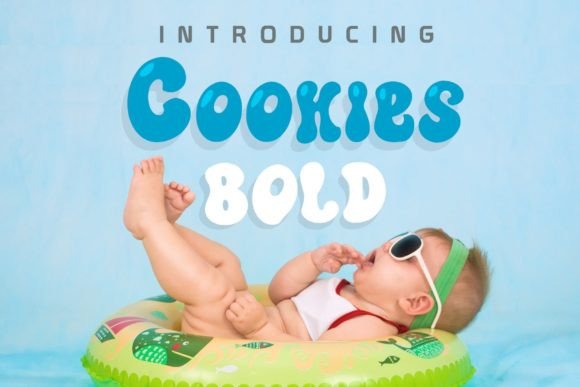
The defining characteristic of Cookies Chip is its "chubby" structure. Unlike thin, spindly scripts that suggest elegance or minimalism, this font carries visual weight. It is bold, rounded, and inherently informal. This design philosophy aligns with the modern trend toward human-centric branding. When businesses or creators use Cookies Chip, they are signaling a departure from rigid corporate rigidity. Instead, they project an image of friendliness, inclusivity, and comfort. For entrepreneurs and small business owners, this visual language can be a powerful differentiator in a market saturated with sterile, geometric sans-serifs.
The Psychology of Playfulness
Playfulness in design is often misunderstood as a lack of seriousness. However, from a strategic perspective, playfulness is a tool for disarming skepticism. When a user encounters Cookies Chip on a landing page or product packaging, the rounded edges and handwritten flow trigger an emotional response associated with nostalgia and ease. This can lower the barrier to engagement, making the audience more receptive to the content. For educators and freelancers, utilizing a font like Cookies Chip can make dense information feel more digestible and less intimidating, fostering a better learning environment or client relationship.
Strategic Applications for Decision Makers
Deciding where to implement Cookies Chip should be driven by the desired outcome of the communication. This font is not a universal solution for every document; rather, it is a specialized instrument for specific scenarios. It excels in environments where the primary goal is to capture attention through charm rather than authority.
Crafting and Physical Product Design
For the hobbyist or the professional crafter, Cookies Chip is highly compatible with essential tools like Silhouette Design Studio. Its thick strokes make it ideal for cutting machines, as the letters are distinct and unlikely to tear during the weeding process. When designing physical goods—such as tote bags, mugs, or greeting cards—the chubby nature of the font ensures legibility from a distance. If you are a small business owner selling artisanal goods, using Cookies Chip on your labels can visually communicate the handmade, personal nature of your product, adding perceived value to the item.
Digital Marketing and Social Media
In the fast-scrolling environment of social media, Cookies Chip offers high impact. Its distinct silhouette makes it stand out in a crowded feed. Marketers can use it strategically for headlines or "Call to Action" (CTA) buttons to draw the eye. However, it is crucial to balance this playfulness with professionalism. A practical tip for bloggers and content creators is to use Cookies Chip for accent text—such as subheadings or pull quotes—while pairing it with a clean, neutral sans-serif for body text. This ensures the design remains readable while retaining the creative flair of the handwritten style.
Compatibility and Workflow Efficiency
A font’s value is also measured by its utility within a creator's existing ecosystem. Cookies Chip is designed to be compatible with industry-standard software, including Adobe Photoshop. This compatibility is vital for maintaining productivity. Designers do not need to switch platforms or utilize complex workarounds to integrate this typeface into their projects.
For professionals managing multiple client accounts or projects, having a reliable font that renders correctly across different systems is essential. When working within Photoshop, Cookies Chip can be manipulated with standard transformation tools, allowing for creative layering and effects without losing the integrity of the letterforms. This seamless integration supports a more efficient workflow, allowing creators to focus on the message rather than technical troubleshooting.
Avoiding Common Pitfalls
While the charm of Cookies Chip is undeniable, relying on it without clear context can lead to strategic missteps. The primary risk of using a playful, chubby font is the potential dilution of brand authority. If a law firm or a financial advisor were to use Cookies Chip for their primary correspondence, it would create a cognitive dissonance for the client, undermining trust. The font must match the industry expectations and the specific content being presented.
The Risk of Over-Saturation
Another consideration is the overuse of the font. Using Cookies Chip for every element of a design can make the layout feel cluttered and childish. To achieve better results, treat Cookies Chip as a highlight color rather than the background. It is most effective when used sparingly to emphasize key points. For example, in a presentation for educators, using it for slide titles can capture attention, but the bullet points should remain in a standard serif or sans-serif to ensure the information is taken seriously.
Long-Term Branding and Positioning
When building a brand identity, consistency is key. If you decide that Cookies Chip aligns with your brand’s voice—perhaps you run a bakery, a daycare, or a creative agency—you must commit to it across specific touchpoints. This font can help position a brand as accessible and customer-centric. Over time, the audience will associate the visual style of Cookies Chip with the positive experiences they have with your business.
However, branding is a long game. Trends in typography change, but the core personality of a brand should remain stable. Cookies Chip provides a solid foundation for a friendly persona, but it should be supported by other brand elements (imagery, color palette, tone of voice) to create a cohesive system. It is not just about choosing a font; it is about building a visual narrative that supports your business goals.
Conclusion: Intentional Creativity
Ultimately, Cookies Chip is a tool that offers significant value when used with intention. For the entrepreneur, the freelancer, or the hobbyist, it provides a way to inject personality and warmth into their projects. By understanding its strengths—compatibility, visual weight, and emotional resonance—and mitigating its risks through balanced design, you can leverage Cookies Chip to enhance communication and achieve more engaging results. The best design decisions are those that align visual style with strategic intent, and Cookies Chip is a prime example of a font that allows you to do exactly that.