Evaluating the Zoo Typeface: A Practical Look at Its Creative Potential and Professional Use
In the world of design, font selection is a foundational decision that dictates the entire tone and effectiveness of a project. While minimalist sans-serifs dominate corporate branding, a different category of typeface is required for projects aimed at evoking emotion, whimsy, and artistic flair. The Zoo font collection represents a distinct approach to typography, specifically engineered for designs that require a playful, engaging, and visually textured aesthetic. For designers, crafters, and creative professionals, understanding the specific capabilities and constraints of a font family like Zoo is essential before integrating it into a workflow.
Understanding the Core Identity of Zoo
Zoo is not merely a standard typeface; it is a stylistic system designed to mimic the look of hand-drawn or painted lettering. The primary value proposition of Zoo lies in its ability to break away from the rigid geometry of standard digital text. It typically features irregular baselines, varying stroke widths, and an organic shape that feels human-made rather than machine-generated. This makes it an ideal candidate for projects where the goal is to establish a friendly, informal, or artistic connection with the viewer.
The design philosophy behind typefaces like Zoo is rooted in visual psychology. When audiences encounter a font that looks handcrafted, they often perceive the message as more personal and less corporate. This psychological trigger is why Zoo is frequently utilized in contexts such as children’s educational materials, boutique branding, and artisanal product packaging. It signals creativity and approachability immediately upon viewing.
Key Characteristics and Design Strengths
From a technical perspective, the Zoo font family offers several characteristics that distinguish it from standard script or display fonts. One of its primary strengths is legibility. While many artistic fonts sacrifice readability for style, Zoo maintains a balance. The letter spacing (kerning) and distinct character shapes ensure that words remain decipherable even at smaller sizes, which is a critical requirement for body text in children’s books or detailed invitation layouts.
- Visual Hierarchy: Zoo is effective at creating a strong focal point. It commands attention without being aggressive, making it suitable for headers and titles.
- Aesthetic Versatility: Depending on the weight and color application, Zoo can look rustic, modern, or vintage. It adapts well to different color palettes and background textures.
- Character Variation: High-quality versions of fonts in this category often include stylistic alternates or ligatures, allowing designers to customize the text to avoid repetition and enhance the natural flow of the script.
The "playful" nature of Zoo does not mean it is unprofessional. In the context of design, "playful" is a specific stylistic objective. For a freelance designer working on a bakery logo or an educator creating a classroom poster, Zoo provides the exact visual vocabulary needed to communicate the right message.
Practical Application and Compatibility
One of the most critical aspects of evaluating any font for professional use is understanding its technical compatibility with production tools. The Zoo font package is often distributed in multiple formats, typically including OTF (OpenType Font) and TTF (TrueType Font) files. However, the usability of these files depends heavily on the software and hardware being used.
The Distinction Between Color and Black Versions
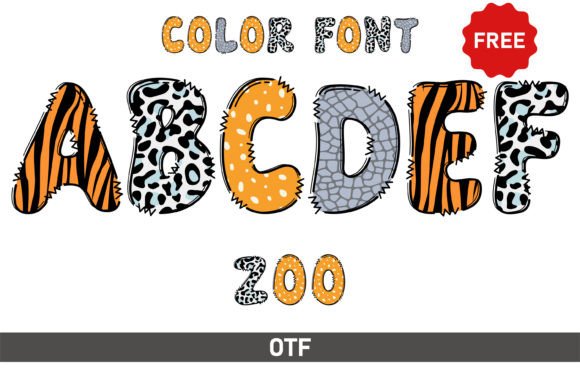
A defining feature of advanced font families like Zoo is the inclusion of color fonts. These are fonts that contain embedded artwork, allowing the letters to appear as multi-colored, textured images rather than flat, single-color vectors. This is a significant advantage for designers using advanced software, as it creates complex visual effects instantly without manual layering or masking.
However, this complexity introduces compatibility constraints that users must navigate carefully:
- Advanced Design Software: The color version of the Zoo font is generally compatible with robust graphic design platforms. This includes software like Adobe Photoshop, Adobe Illustrator, Silhouette Studio, and Inkscape. These programs can interpret the embedded color data within the OTF files, rendering the font as intended with full visual fidelity.
- Cutting Machines and Simpler Platforms: A common point of friction for users is the compatibility with cutting machines like Cricut. It is important to note that the color version of the Zoo font is often not compatible with Cricut Design Space. Cutting machine software typically requires single-layer vector paths to function, which conflicts with the multi-layered nature of color fonts.
To bridge this gap, font developers usually include a black version of the font alongside the color version. The black version of Zoo is fully compatible with Cricut and other basic cutting machines. This allows crafters to cut out the shapes of the letters using vinyl or cardstock, even if they cannot use the digital color version directly on the machine. For users relying on these tools, distinguishing between these file types is a prerequisite for a smooth workflow.
Audience Fit: Who Benefits Most from Zoo?
Determining whether Zoo fits a specific workflow requires an analysis of the end-user's needs. The utility of this font varies significantly between a digital marketer and a physical product crafter.
For Digital Creators and Marketers
Bloggers, social media managers, and digital advertisers often seek visual assets that stop the scroll. Zoo is highly effective for creating social media graphics, particularly for Instagram stories, YouTube thumbnails, or Pinterest pins where a whimsical, handmade aesthetic drives higher engagement. Because the color font features are native to the file, digital creators can apply complex textures to their text instantly, saving time in post-production.
For Physical Crafters and Educators
For users of Silhouette or Cricut machines, the value of Zoo lies in its shape. The bold, clear outlines of the letters make them easy to weed (the process of removing excess material from a vinyl cut). Teachers creating bulletin board displays or parents making party decorations will find the font’s aesthetic aligns perfectly with the intended atmosphere. The availability of the black, machine-compatible version ensures that the font remains a viable tool for physical production, provided the user understands the software limitations regarding color files.
Usability and Workflow Integration
Integrating a new font into an existing project library requires more than just installation; it requires an understanding of how the font behaves in a live environment. Zoo performs best when used as a display font—meaning for headlines, logos, or short bursts of text—rather than for long paragraphs of body copy.
When using the color version, designers should be aware that the text is essentially treated as an image object in some vector programs. This means that standard text editing tools (like changing the color via a simple swatch) may not function as expected. Instead, the user must treat the text as a graphic element. This requires a slightly more advanced understanding of design software, but the result is a level of visual depth that standard fonts cannot achieve.
Furthermore, the long-term value of a font like Zoo depends on its versatility across different project types. Because it fits into the "whimsical" category, it may not be suitable for corporate reports or formal legal documents. However, for the creative professional, having a reliable go-to font for playful projects is a valuable asset. It reduces the time spent searching for the right style and ensures consistency across a brand’s more casual communications.
Conclusion: Is Zoo the Right Choice?
The decision to adopt the Zoo font family should be based on a realistic assessment of your project requirements and technical environment. It is a specialized tool designed for a specific creative niche. If your work involves children’s literature, artistic invitations, or branding that requires a personal, hand-drawn touch, Zoo offers a high-quality solution that balances aesthetic appeal with functional legibility.
For users of cutting machines, the inclusion of a black version mitigates the compatibility issues associated with color fonts, ensuring that the design can be translated from screen to physical product effectively. Ultimately, Zoo serves as a reminder that typography is not just about reading words—it is about feeling them. For projects where emotion and artistry are paramount, Zoo is a contender worth serious consideration.