Shkoder 1989: Evaluating a Retro-Modern Typeface for Contemporary Design
Understanding the Core Identity of Shkoder 1989
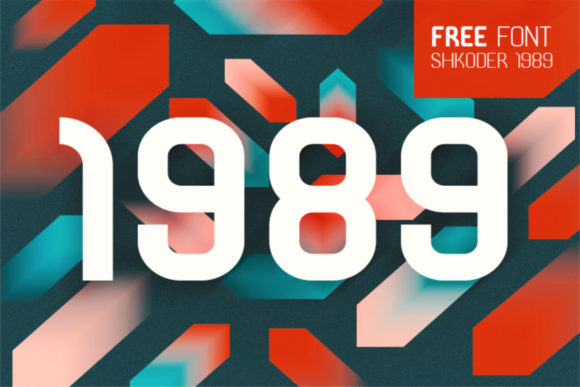
In the current landscape of digital typography, the distinction between "retro" and "modern" often blurs. Shkoder 1989 represents a specific intersection of these aesthetics, positioning itself as a font that channels the energy of the late 1980s and early 1990s while maintaining the structural integrity required for modern digital environments. When designers evaluate typefaces, they are rarely looking for just a set of letters; they are looking for a visual language. Shkoder 1989 is described as "techy" and "sporty," a combination that suggests a specific cultural memory of the 90s—a time of early internet graphics, geometric sportswear branding, and industrial expansion.
For the professional evaluating this font, the primary question is often about application. Does the aesthetic hold up under scrutiny? Shkoder 1989 is an all-caps display typeface. This is a critical distinction. It is not designed for body text or long-form reading. Its architecture is built for impact, headers, and short bursts of information. The "techy" aspect comes from its geometric construction and sharp angles, reminiscent of the digital readouts and sci-fi interfaces popular in the era. The "sporty" element is derived from its boldness and the sense of motion inherent in its letterforms, evoking the branding of athletic apparel and energy drinks from the same period.
Technical Specifications and Weight Considerations
One of the most practical aspects to evaluate is the versatility of the font file itself. Shkoder 1989 is projected to work well for both print and digital mediums, a claim that hinges on its design balance. Fonts that work well in both environments usually possess a consistent stroke weight and clear counters (the enclosed spaces within letters like 'A' or 'D') that do not fill in at smaller sizes in print or pixelate poorly on low-resolution screens.
The inclusion of two weights is a significant factor in its utility. Typically, a light and a bold weight allow for a hierarchy within a design system without introducing a second typeface. In the context of Shkoder 1989, these weights likely offer a variation in density, allowing designers to create contrast between a title and a subtitle or a primary call-to-action and a secondary label. However, it is important to note the limitation here: with only two weights, the typographic range is somewhat fixed. If a project requires a comprehensive family with thin, regular, medium, semi-bold, bold, and black options, Shkoder 1989 may serve as a strong accent font but will struggle to be the workhorse for an entire layout.
The "90's Feel": Glyphs and Character Set
A typeface is more than just the 26 letters of the alphabet. The character set—the total number of glyphs available—determines how adaptable the font is to different languages and specific design needs. Shkoder 1989 includes a "lot of glyphs," which is specifically designed to facilitate that 90s aesthetic. This often includes stylistic alternates, ligatures, and symbols that mimic the visual clutter and decoration of the era.
When comparing this to standard sans-serif fonts, the difference is palpable. A standard font prioritizes legibility and neutrality. Shkoder 1989 prioritizes vibe. For a designer creating a poster for a music event, a podcast cover, or a merchandise line, these extra glyphs are invaluable. They allow the designer to swap a standard "R" for one with a more aggressive tail or replace a standard "S" with a more streamlined curve. This level of customization is what separates a "retro-inspired" font from a generic blocky typeface.
Comparing Styles: When to Choose Shkoder 1989
When evaluating whether Shkoder 1989 is the right choice, it is helpful to compare it to broader categories of typefaces available today. The market offers everything from ultra-clean neo-grotesques to expressive brush scripts. Shkoder 1989 occupies a specific niche.
- Versus Traditional Sans-Serifs: Compared to fonts like Helvetica or Roboto, Shkoder 1989 lacks the neutrality required for corporate documentation or dense UI design. However, it vastly outperforms them in emotional resonance for specific themes. If the goal is to evoke nostalgia or high-energy excitement, Shkoder 1989 is the superior choice.
- Versus Serif and Display Fonts: While serif fonts convey tradition and authority, and complex display fonts might convey luxury, Shkoder 1989 conveys futurism as imagined by the past. It fits well in categories like Cyberpunk, Synthwave, and Retro-Gaming.
- Versus Other Retro Fonts: There are many fonts that mimic the 90s. Some lean heavily into the "grunge" aesthetic with distressed textures. Shkoder 1989 appears to lean toward the "clean tech" side of the 90s. It is more about geometry and structure than about dirt and decay.
Tradeoffs and Limitations
No font is without its tradeoffs, and an honest evaluation requires looking at where Shkoder 1989 might fall short.
Readability vs. Style: The primary tradeoff is legibility. Because it is an all-caps font, reading long sentences becomes fatiguing for the human eye. We recognize words partly by their shape (the ascenders and descenders of lower-case letters). In an all-caps environment, every word becomes a rectangle. Therefore, Shkoder 1989 should be used sparingly for headlines or logos, not for instructions or descriptions.
Context Mismatch: Using a "techy" 90s font for a serious medical report, a legal firm, or a luxury jewelry brand would likely result in a dissonance that confuses the audience. The style is strong and opinionated; it demands a context that supports its personality.
Practical Applications and Best-Fit Scenarios
To determine if Shkoder 1989 is the right investment for your toolkit, consider the specific workflows where this aesthetic is in demand.
- Gaming and Esports: The "techy" and "sporty" blend is the defining look of the esports industry. Team logos, tournament overlays, and stream alerts often require fonts that look fast and digital. Shkoder 1989 fits this environment naturally.
- Music Industry Branding: Electronic music, particularly genres like House, Techno, and Synthwave, relies heavily on this visual language. Album covers and event flyers for these genres would benefit from the font's geometric rigidity.
- Fashion and Streetwear: The cyclical nature of fashion means that 90s aesthetics are currently in vogue. Streetwear brands often use bold, all-caps typefaces for screen printing on t-shirts and hoodies. The two weights allow for flexible placement on garments.
- UI Design for Specific Themes: If a developer is building a user interface for a retro-themed game or a "hacker" simulation tool, Shkoder 1989 provides the necessary immersion.
Decision Factors for the Modern Designer
When making your final selection, weigh the following factors against your project requirements:
- Target Audience Age: Will the audience recognize and appreciate the 90s reference? For adults aged 20–50, this aesthetic often triggers a sense of nostalgia. For younger audiences, it reads as "retro-futuristic." For older audiences, it may simply look dated if not styled correctly.
- Medium Constraints: Since the font is optimized for print and digital, it offers a reliable consistency. However, check the specific licensing and file formats (OTF, TTF, WOFF2) to ensure they integrate smoothly with your design software (like Adobe Creative Suite or Figma) and web development stack.
- Longevity: Trends come and go. While a clean serif font might last a decade without feeling dated, a stylized font like Shkoder 1989 is trend-dependent. If the project is a short-term campaign or a brand that embraces changing styles, it is an excellent fit. If you are designing a corporate identity intended to last 20 years, the retro-specific styling might feel out of place in five years.
Conclusion
Shkoder 1989 is not a general-purpose typeface. It is a specialized tool for designers who want to inject a specific, energetic, and nostalgic vibe into their work. Its strength lies in its clear identity: it is unapologetically "techy" and "sporty," leveraging the visual language of the 90s with modern technical execution. By understanding its limitations regarding readability and context, and by leveraging its extensive glyph set and dual weights, you can determine if it is the missing piece in your typographic hierarchy. It serves best when used for impact, sparingly and boldly, in projects that demand a connection to the aesthetic of the digital past.