Integrating the Zero Hour Typeface into Modern Visual Workflows
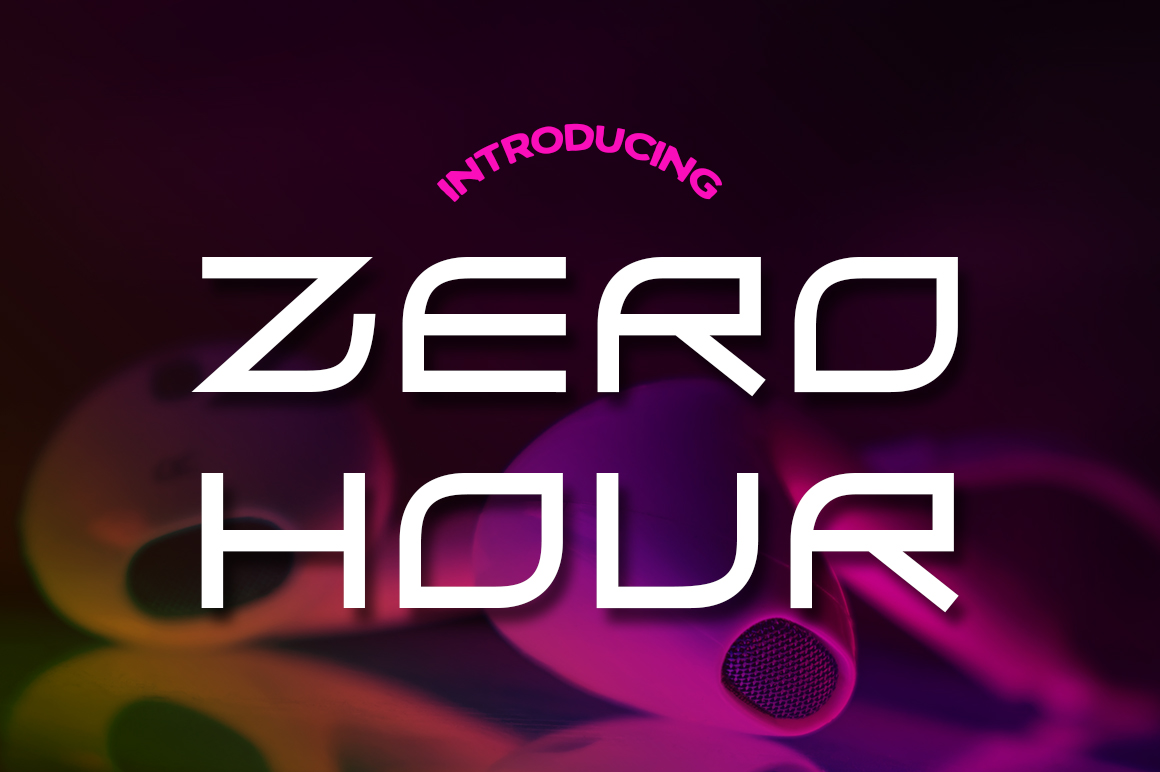
In the world of digital design and branding, typography is rarely just about legibility; it is about evoking a specific era, mood, or technical aesthetic. Zero Hour, an all-caps, sans-serif, outstretched digital font created by Typodermic, serves a distinct purpose in this landscape. Drawing heavy inspiration from 1990s techno culture, this decorative free font is engineered for high-impact displays. However, successfully integrating a niche typeface like Zero Hour into a professional workflow requires more than simply downloading a file. It requires an understanding of context, compatibility, and the specific communication goals of a project.
Understanding the Aesthetic Context
Before implementing Zero Hour into a design system or business asset, it is crucial to analyze its visual weight. The font features "outstretched" letterforms, meaning the characters often utilize wide kerning or geometric shapes that mimic the look of early digital readouts and futuristic interfaces from the late 20th century. This is not a font for body text or legal disclaimers. Its primary utility lies in display typography.
For professionals and creators, recognizing this distinction is the first step in the planning phase. If you are working on a user interface for a banking app or a corporate annual report, Zero Hour is likely an inappropriate choice. However, if you are a freelancer or entrepreneur designing a landing page for a tech startup, a music festival poster, or a gaming channel overlay, the font’s aesthetic aligns perfectly with the project's intent. The decision to use Zero Hour should be driven by the target audience's expectation of "tech" or "retro-futurism."
Practical Implementation and File Management
Once the decision is made to utilize Zero Hour, the process shifts to technical execution. As a free font provided by Typodermic, the acquisition process is straightforward, but the integration into a broader workflow requires attention to detail.
Installation and System Compatibility
For small business owners and hobbyists, the installation process is standard. However, in environments where multiple assets are managed—such as a marketing agency or a publishing house—organization is key. It is best practice to categorize Zero Hour within your font management software (such as FontBase or Adobe Fonts) under a "Display" or "Decorative" folder. This prevents the font from being accidentally selected for standard paragraph text during rapid prototyping.
Because Zero Hour is a digital font, it is generally optimized for screen rendering. This makes it highly compatible with web design platforms and video editing software. However, before finalizing a project, quality control checks are necessary. Ensure that the font renders correctly across different operating systems (Windows, macOS) and browsers if you are using it for web headers. While the font is free, licensing terms should always be reviewed to ensure compliance, particularly if the assets are being used for commercial merchandise or mass distribution.
Integrating Zero Hour into Specific Workflows
The true value of a typeface is found in how it streamlines the creative process. Zero Hour fits into various stages of a project lifecycle, particularly in the ideation and final output phases.
Branding and Logo Design
For entrepreneurs and startup founders, a logo sets the tone for the entire brand identity. If the brand operates in the cyber-security, electronic music, or extreme sports sectors, Zero Hour provides a ready-made "vibe" that reduces the time spent searching for the right style. When using Zero Hour for logos, it is often effective to pair it with a neutral, geometric sans-serif for secondary text. This creates a hierarchy that guides the viewer's eye, ensuring the "techno" feel of Zero Hour doesn't overwhelm the message.
Digital Marketing and Social Media
Marketers and content creators often face tight deadlines. In a fast-paced workflow where a YouTube thumbnail or an Instagram story needs to be created in minutes, Zero Hour serves as a powerful tool for immediacy. Its all-caps structure demands attention. When applying this font to social media graphics, consider the following workflow tips:
- Contrast: Because the font has a distinct 90s style, placing it over modern, high-resolution photography can create a striking juxtaposition. Alternatively, using it on solid, neon-colored backgrounds reinforces the retro theme.
- Spacing: The "outstretched" nature of the font may require manual adjustment of tracking in your design software. If the letters feel too cramped, increase the tracking to maintain that digital, airy feel.
- Color Palette: Zero Hour pairs well with high-contrast color schemes. Think bright greens on black (terminal style) or electric blues on dark grays.
Event Production and Education
Educators creating materials for coding bootcamps or STEM workshops can use Zero Hour to make headers feel more relevant to the subject matter. Similarly, event organizers for hackathons or LAN parties can use the font across all collateral—from tickets to stage graphics—to create a cohesive visual experience. The consistency of using a single, thematic font across multiple assets reduces decision fatigue and ensures brand uniformity.
Interaction with Other Tools and Assets
No font exists in a vacuum. Zero Hour interacts with other design elements, and managing these relationships is part of a professional workflow.
Pairing with Other Fonts
As a decorative display font, Zero Hour is rarely used alone. A common workflow involves pairing it with a highly readable serif or sans-serif font for body copy. For example, if you are designing a brochure, the headings might be in Zero Hour, while the descriptions are in a clean font like Roboto or Open Sans. This ensures that while the aesthetic is "tech-themed," the information remains accessible and easy to digest for the reader.
Integration with Design Software
In tools like Adobe Photoshop, Illustrator, or Canva, Zero Hour behaves like most vector-based text. It scales well, which is essential for large-format printing like trade show banners. However, because of its stylistic nature, it may not support every character or symbol found in standard professional fonts. It is a best practice to check for glyph support early in the process, especially if your project requires special characters or non-Latin alphabets.
Long-Term Use and Brand Consistency
For those building a long-term brand—whether a personal blog or a corporate entity—consistency is the ultimate goal. If you decide to adopt Zero Hour as a primary display font, document its usage in a brand style guide.
Specify exactly where Zero Hour should be used (e.g., "H1 Headers and Hero Images only") and where it should not be used. This documentation prevents "font drift," where different team members or freelancers begin using the font inappropriately, diluting the brand's visual identity. Over time, your audience will begin to associate the distinct, outstretched letterforms of Zero Hour with your specific content, creating a subconscious recognition of your brand's techno-creative authority.
Conclusion of Process
Ultimately, Zero Hour is a specialized tool. It is not a workhorse font for daily administration, but rather a strategic asset for specific creative goals. By understanding its 90s-inspired roots, managing its technical integration, and applying it thoughtfully within a broader design system, professionals and creators can leverage Zero Hour to produce displays that are not only visually striking but also perfectly aligned with their workflow requirements. It transforms a standard layout into a statement of digital intent, provided it is handled with the precision and planning that any good workflow demands.