Pelmeshka: The Cute and Funny Font That Makes You Smile
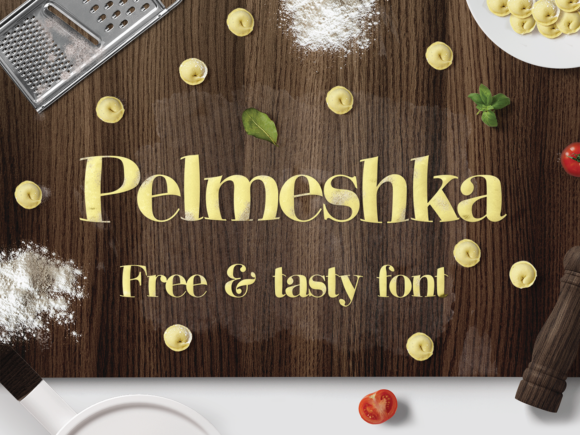
In the vast digital landscape of typography, where thousands of typefaces compete for attention, finding a font that genuinely evokes an emotion is a rare treat. Most fonts are designed to be functional, readable, and professional. While these are noble qualities, they often lack personality. Enter Pelmeshka, a typeface that breaks the mold by prioritizing charm and humor over rigid structure. If you have ever scrolled through a library of fonts feeling uninspired, Pelmeshka might just be the spark of joy you need. It is a cute and funny font that might make you smile once you see it, driven by the elegance of the Bodoni typeface but reimagined with a playful twist.
For general consumers, business owners, and creators alike, the visual tone of a message is just as important as the words themselves. Whether you are designing a birthday invitation, creating a logo for a bakery, or laying out a children's book, the typography sets the mood. Pelmeshka offers a unique solution for those who want to convey warmth, friendliness, and a touch of whimsy without sacrificing the structural integrity of professional design. This article explores the origins, features, and practical applications of Pelmeshka, helping you determine if this delightful typeface is the right fit for your next project.
The Unique DNA of Pelmeshka
To appreciate what makes Pelmeshka special, it helps to understand its roots. The font is described as being "driven from Bodoni typeface." For those unfamiliar with typography history, Bodoni is a serif typeface designed in the late 18th century. It is characterized by high contrast between thick and thin strokes, vertical stress, and a geometric, unbracketed serif. It is the epitome of elegance, often seen in high-end fashion magazines and luxury branding.
Pelmeshka takes this high-fashion foundation and turns it on its head. Instead of the cold, sharp perfection of traditional Bodoni, Pelmeshka softens the edges and introduces irregularities that make it feel hand-drawn and organic. It retains the structural backbone of its ancestor—the thick strokes are still there, and the letters are well-proportioned—but it adds a "bouncy" baseline and rounded terminals. This creates a visual rhythm that feels alive and energetic. The result is a font that commands attention not because it is shouting, but because it is smiling at you.
Visual Characteristics and Personality
When you first encounter Pelmeshka, you will likely notice its playful energy. The letters often seem to dance slightly, avoiding the rigid alignment found in standard corporate fonts like Arial or Helvetica. This "wobble" is carefully controlled; it is chaotic enough to feel fun but structured enough to remain highly legible.
- Rounded Shapes: The font features soft curves rather than sharp angles, making it visually approachable for readers of all ages.
- High Contrast: Borrowing from Bodoni, the difference between thick and thin lines adds a sophisticated flair that prevents it from looking too childish.
- Expressive Details: Small quirks in the letterforms give Pelmeshka a personality. It feels less like a machine output and more like a friendly note written by a creative artist.
This combination of whimsy and elegance makes Pelmeshka incredibly versatile. It does not belong solely in a nursery; it has the sophistication to work in boutique branding and the warmth to work in family-oriented content.
Where to Use Pelmeshka: Practical Applications
One of the most common questions creators ask is, "Where does this font actually fit?" With Pelmeshka, the answer is broader than you might expect. Its utility extends across various mediums, provided the goal is to connect with the audience on an emotional level.
1. Children’s Literature and Education
The most obvious application for a font like Pelmeshka is in kid books. Children respond to visuals that are friendly and non-intimidating. Pelmeshka’s rounded, bouncy nature makes it perfect for book covers and chapter titles. It captures the imagination without being difficult for early readers to decipher. Furthermore, educational materials, such as flashcards or classroom posters, benefit from a font that feels encouraging rather than authoritative.
2. Branding for Creative and Food Industries
Business owners in specific niches should pay close attention to Pelmeshka. If you run a bakery, a coffee shop, a toy store, or a craft business, your brand identity needs to be inviting. Using Pelmeshka for your headings and titles can instantly communicate that your business is friendly and fun. Imagine a logo for a cupcake shop written in a stiff serif font versus Pelmeshka; the latter immediately suggests sweetness and care.
3. Event Invitations and Posters
Planning a birthday party, a baby shower, or a casual community event? Posters and invitations rely heavily on typography to set the tone. Pelmeshka is an excellent choice for these scenarios because it injects personality into the design. It works beautifully for headlines, grabbing attention while signaling that the event will be lighthearted and enjoyable.
4. Digital Content and Social Media
In the age of Instagram and TikTok, standing out is difficult. Creators can use Pelmeshka in their video thumbnails, quote graphics, or blog headers to break the monotony of standard web fonts. Because it is "cute and funny," it is highly shareable. A funny meme or a heartwarming quote becomes even more effective when paired with typography that amplifies the emotion.
Evaluating Suitability: Strengths and Considerations
While Pelmeshka is a charming typeface, a professional approach to design requires understanding both its strengths and its limitations. Not every font is right for every job, and Pelmeshka is no exception.
The Strengths
The primary strength of Pelmeshka is its emotional resonance. As mentioned, it makes you smile. In marketing and design, emotional connection is currency. A user who feels happy looking at your design is more likely to engage with it. Additionally, Pelmeshka is distinctive. In a sea of generic sans-serifs, Pelmeshka stands out, making it easier for brands to build visual recognition.
The Considerations and Limitations
Despite its charm, Pelmeshka is not a "workhorse" font. It is not designed for long-form body text. Reading a paragraph of 100 words in a decorative font like Pelmeshka can strain the eyes and distract from the message. Its high contrast and playful curves are best reserved for display use—meaning headings, titles, and short bursts of text.
Furthermore, context is key. Using Pelmeshka for a legal document, a corporate financial report, or a medical pamphlet would likely undermine the seriousness of the content. It is a font that implies informality and warmth; using it in high-stakes, serious environments could confuse your audience.
How to Implement Pelmeshka Effectively
For those ready to experiment with this typeface, here is a guide on how to integrate it into your workflow without overwhelming your design.
- Pair with a Neutral Font: Because Pelmeshka is so expressive, it needs a quiet partner. Pair it with a clean, simple sans-serif font (like Open Sans, Lato, or Roboto) for your body text. This creates a hierarchy where Pelmeshka grabs attention for the headline, and the neutral font carries the heavy lifting of the paragraph.
- Size Matters: Let Pelmeshka breathe. Because of its detailed curves and high contrast, it looks best at larger sizes. If you shrink it down too small, the details may get lost, and the "cute" factor diminishes. Use it for H1, H2, and H3 headers.
- Color and Background: Pelmeshka pairs well with soft, pastel colors or bold, vibrant hues. Avoid placing it on overly busy backgrounds where the intricate details of the letters might be lost.
- Kerning and Spacing: Depending on the specific version of the font you use, you may need to adjust the spacing between letters (kerning). Because the letters have irregular shapes, they might fit together differently than standard block letters.
Real-World Scenarios: Seeing Pelmeshka in Action
To truly understand the value of Pelmeshka, let’s visualize a few scenarios.
Scenario A: The Indie Author. Sarah is writing her first children’s fantasy novel. She wants a cover that feels magical but accessible. She chooses Pelmeshka for the title. The font's whimsical nature hints at the magic inside the book, while its strong Bodoni roots give it enough structure to look professional on a bookstore shelf.
Scenario B: The Local Bakery. "Sweet Tooth" is a new bakery opening downtown. They want their menu and signage to feel like a warm hug. They use Pelmeshka for the menu headers. The font makes the menu feel fun and indulgent, perfectly matching the experience of eating a donut.
Scenario C: The Non-Profit Campaign. A charity is running a campaign to encourage people to adopt shelter animals. They want to avoid the sad, depressing imagery often associated with animal rescue. Instead, they want to focus on the joy of adoption. They use Pelmeshka for their poster headlines: "Find Your Furry Friend!" The font conveys the happiness and love that a pet brings, making the poster more inviting.
Conclusion: The Power of a Smile
In the world of design, we often obsess over metrics, conversions, and "best practices." While these are important, we must not forget that design is ultimately about human connection. Pelmeshka serves as a reminder that fonts have personalities. They can make us feel serious, urgent, calm, or happy.
By choosing Pelmeshka, you are choosing to inject a little bit of joy into your work. Whether you are a business owner looking to soften your brand image, a creator working on a children's book, or just someone making a birthday card for a friend, this font offers a unique blend of humor and style. It proves that typography doesn't always have to be serious to be effective. Sometimes, the best way to communicate is simply to smile.
As you move forward with your projects, consider the emotional weight of your typeface choices. If your goal is to engage, delight, and connect, Pelmeshka is a tool well worth exploring. It is more than just a collection of letters; it is a mood, a vibe, and a little bit of typographic magic.