Simple Handwriting: A Practical Evaluation for Modern Design
In the digital age, where communication often feels sterile and impersonal, the desire for a human touch has become a significant design trend. Simple Handwriting is a typeface that directly addresses this need. It is a contemporary script font designed to emulate the fluid, relaxed nature of natural handwriting. This article provides a balanced evaluation of Simple Handwriting, exploring its characteristics, ideal applications, potential limitations, and how it fits into a designer's or user's toolkit. The goal is to help you determine if this font aligns with your specific project requirements and communication goals.
Understanding the Simple Handwriting Typeface
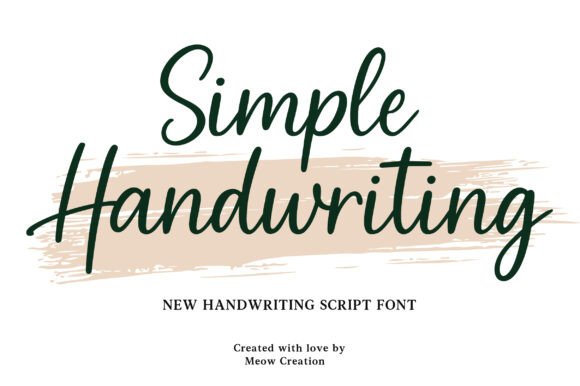
At its core, Simple Handwriting is a script font. Unlike formal calligraphic scripts or overly decorative typefaces, it prioritizes readability and a casual aesthetic. Its defining features include a medium weight and a gentle, consistent slant, which together create a sense of movement and informality without sacrificing clarity. The connections between letters are designed to be sweeping and smooth, mimicking the natural flow of a pen on paper. This careful construction is what gives the font its "authentic" feel, avoiding the artificial look that can plague many script fonts.
It is important to set clear expectations: Simple Handwriting is not a handwriting recognition tool or a custom font generator. It is a static, pre-designed typeface. This means every user who has the font installed will see the exact same letterforms. Its strength lies in its consistency and professional polish, offering the aesthetic of personal handwriting with the reliability of a digital font file.
Key Benefits and Practical Advantages
The primary benefit of Simple Handwriting is its ability to inject warmth and personality into digital projects. In contexts where a human element is desired, it can be highly effective. Its legibility is a major advantage; many script fonts fail at smaller sizes or in blocks of text, but Simple Handwriting's clean design maintains readability in headlines and short paragraphs alike.
Its versatility is another strong point. Consider these common applications:
- Branding and Logo Design: For businesses aiming for a friendly, approachable, or artisanal brand identity (e.g., bakeries, boutique shops, personal coaches), this font can help convey that message visually.
- Social Media and Content: It works well for creating engaging social media captions, quote graphics, or video thumbnails where a personal voice is needed.
- Digital Products: It can be used for watermarks on photography or digital art, adding a signature without being overly intrusive.
- Personal Projects: From digital invitations to personal artwork signatures, it offers a quick way to add a customized touch.
From a workflow perspective, using a font like Simple Handwriting is efficient. It eliminates the need for time-consuming manual lettering or scanning handwritten notes for a consistent look. It provides a professional, scalable solution that integrates seamlessly into design software.
Important Considerations and Potential Limitations
While Simple Handwriting has clear strengths, a thorough evaluation requires understanding its tradeoffs. The most significant consideration is its inherent style. The "relaxed" and "casual" aesthetic, while a benefit for many projects, is not universally appropriate. It would likely be perceived as out of place in formal corporate communications, legal documents, or academic papers where a sense of authority and tradition is required.
Another consideration is font licensing and availability. As a digital asset, its use may be governed by a license that specifies permitted uses (e.g., personal, commercial, print, web). Always verify the license terms before incorporating it into a project, especially for commercial work. Furthermore, if the font is not widely distributed or embedded, viewers may see a fallback font if they do not have it installed, altering your intended design.
Finally, while it is more legible than many scripts, it is still a display font. Using it for long-form body text would be impractical and would severely hinder readability. Its role is to accent, highlight, and add personality, not to replace standard sans-serif or serif fonts for core content.
When is Simple Handwriting a Strong Fit?
Simple Handwriting excels in scenarios where the primary communication goal is to establish a personal connection or convey informality. It is a strong fit for:
- Lifestyle and Creative Branding: Businesses in wellness, food, crafts, or creative services that want their visual identity to feel handcrafted and personal.
- Event Materials: Digital or printed materials for weddings, showers, or community events where a warm, inviting tone is desired.
- Personal Blogs and Newsletters: Adding stylistic headers or pull quotes to make digital content feel more like a letter from a friend.
- Artistic Overlays: As a watermark or signature on digital artwork, photography, or portfolios, providing ownership without overwhelming the visual.
In these contexts, the font acts as a visual shorthand for authenticity and approachability.
When to Consider Alternatives
There are clear situations where other typographic choices would be more effective. If your project requires a formal, authoritative, or highly traditional tone, a serif font like Garamond or a clean sans-serif like Helvetica would be more suitable. For maximum readability in long documents, a well-designed body text font is essential.
If you need a truly unique, one-of-a-kind handwritten look that no one else has, commissioning custom lettering or using a tool to generate a font from your own handwriting would be the path, though it involves greater cost and complexity. Conversely, if you need a script with a more dramatic, calligraphic flair for a luxury brand or formal invitation, exploring fonts with more pronounced flourishes and connections would be advisable.
Making Your Decision: Practical Insights
To determine if Simple Handwriting aligns with your goals, ask yourself these questions:
- What is the core message and tone of my project? If the answer involves words like "friendly," "personal," "casual," or "authentic," Simple Handwriting is a candidate.
- Who is my audience? A younger, lifestyle-oriented audience may respond well to its aesthetic. A corporate or academic audience may not.
- How will it be used? For short, impactful text elements, it shines. For body copy, it fails.
- Have I considered the technical and licensing requirements? Ensure you have the right to use it and that it will render correctly for your audience.
A practical approach is to test the font in context. Create a mockup of your design using Simple Handwriting and evaluate it critically. Does it enhance the message or distract from it? Does it feel authentic or gimmicky? Comparing it side-by-side with alternative fonts can provide valuable clarity.
In conclusion, Simple Handwriting is a thoughtfully designed script font that successfully bridges the gap between digital precision and human warmth. It is not a universal solution, but when applied to the right project with a clear understanding of its strengths and limitations, it can be a powerful tool for adding a genuinely personal and inviting touch to your work. Its value lies in its ability to make a digital message feel more human, a quality that remains highly sought after in our connected world.