Stay Chunky: How to Embrace the Bold, Bubbly Revival of 70s Groovy Typography in Modern Design
In the ever-evolving world of graphic design, trends are rarely truly new; they are often brilliant reinventions of the past. We have seen the resurgence of brutalism, the return of neon colors from the 80s, and the reappearance of pixel art. However, few retro trends possess the warmth, charm, and immediate visual impact of the typography styles born in the 1970s. Today, we are witnessing a massive revival of the "groovy" era, characterized by thick lines, rounded edges, and a sense of unbridled optimism. At the forefront of this movement is a design philosophy that encourages creators to go big, go bold, and Stay Chunky.
For designers, marketers, and hobbyists looking to inject a dose of nostalgia and fun into their projects, understanding the appeal of chunky, retro fonts is essential. This article explores the significance of this typographic style, its practical applications in the modern digital landscape, and how a font like Stay Chunky can transform standard artwork into standout pieces of visual communication.
Understanding the "Groovy" Aesthetic: More Than Just a Vibe
To understand why fonts like Stay Chunky are gaining popularity, we must first look at the design ethos of the 1970s. The typography of that decade was a reaction to the rigid, structured sans-serifs of the 1950s and 60s. Designers began experimenting with fluid shapes, creating letters that looked inflated, hand-drawn, and organic. This style was heavily influenced by the Art Nouveau revival and the psychedelic art movement, resulting in typefaces that felt alive and kinetic.
Today, this aesthetic is not just about looking "old"; it is about conveying specific emotions. A bold, bubbly font communicates friendliness, accessibility, and cheerfulness. In a digital world often dominated by sterile, minimalist corporate fonts, a chunky retro typeface breaks the pattern. It demands attention without being aggressive. It tells the viewer that the content is approachable and fun.
The Psychology of Thick Curves and Smooth Edges
Why do smooth, thick letters appeal to us psychologically? Rounded typography is often associated with safety and softness. When you combine that with a heavy weight—the "chunky" aspect—you get a font that feels substantial and confident. Stay Chunky exemplifies this perfectly. Its thick curves and smooth edges mimic the tactile sensation of soft materials or balloons, triggering a sense of playfulness. This is why such fonts are incredibly effective for designs intended to evoke happiness or nostalgia.
Introducing Stay Chunky: A Deep Dive into the Typeface
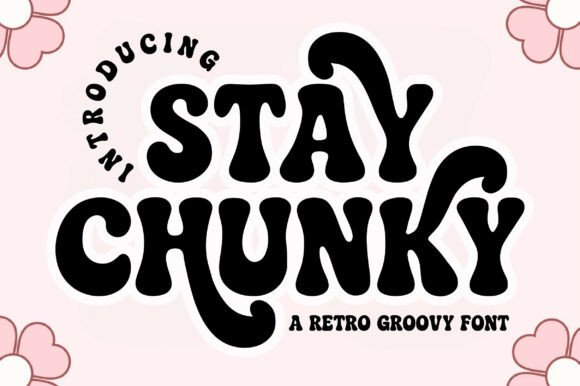
While there are many retro fonts available, capturing the authentic spirit of the 70s requires more than just making letters thick. Stay Chunky is a playful retro groovy font specifically designed to bring a bold, nostalgic vibe to modern projects. It is inspired directly by the letterforms of the disco era, yet it is refined with modern vector precision to ensure it looks crisp on any screen or print medium.
What makes a font like this a "must-have" in a designer's toolkit? It comes down to versatility and character. Stay Chunky is not a one-trick pony. It includes a comprehensive character set featuring uppercase and lowercase letters, numbers, and punctuation. However, the true magic lies in its unique stylistic alternates and fun swashes. These features allow designers to customize the text, adding loops, tails, and variations that prevent the design from looking repetitive or templated.
Key Features of the Font
- Bold Weight: The heavy stroke width ensures high legibility, even from a distance, making it ideal for posters and signage.
- Smooth, Rounded Terminals: The ends of the letters are soft, avoiding the harshness of traditional serifs or sharp sans-serifs.
- Stylistic Alternates: This feature is crucial for creating "standout artwork." By swapping out standard letters for alternate versions, you can create a custom look that feels hand-lettered.
- Fun Swashes: These decorative extensions add flair and movement to the text, perfect for headers and logos.
Practical Applications: Where to Use Chunky Typography
The versatility of a groovy, chunky font extends far beyond novelty posters. In the modern creative economy, this style has found a home in various sectors, from e-commerce to social media marketing. Here is how you can practically apply the Stay Chunky aesthetic to your work.
1. Apparel and Merchandise Design
Perhaps the most popular application for retro typography is in the fashion industry. The "vintage tee" trend is going strong, and consumers are drawn to clothing that feels nostalgic. A font like Stay Chunky is perfect for eye-catching t-shirt designs, hoodies, and tote bags. Its thick lines make it easy to read, and its bubbly nature adds a casual, cool vibe to the merchandise. Whether it is a funny slogan, a band name, or a abstract graphic, chunky fonts make the design pop against fabric textures.
2. Branding and Logo Design
Brands are increasingly looking to humanize their image. For businesses in the food industry (like ice cream shops, bakeries, or cafes), lifestyle brands, or children’s products, a rigid corporate font feels cold and distant. Stay Chunky offers a solution. By using this font for a logo, a business immediately communicates that they are friendly, creative, and approachable. The "bold and cheerful" vibe helps build an emotional connection with customers before they even interact with the product.
3. Social Media Graphics and Quotes
In the fast-paced environment of Instagram, TikTok, or Pinterest, you have milliseconds to capture a user's attention. Standard text often gets lost in the scroll. However, a bold, groovy font stands out against busy backgrounds. It is particularly effective for eye-catching quotes. The aesthetic nature of the font turns a simple sentence into a piece of art that users are more likely to share or save.
4. Stickers and Stationery
The "sticker economy" is booming, driven by planners, scrapbooks, and laptop decorations. The playful nature of Stay Chunky makes it ideal for this medium. It pairs well with illustrations and vibrant colors, creating products that feel joyful and energetic.
Design Tips for Working with Chunky Fonts
While chunky fonts are visually stunning, they require a specific approach to layout and composition. Because they have a strong personality, using them incorrectly can lead to cluttered designs. Here are some tips to ensure your retro designs remain professional and legible.
Pairing with Complementary Fonts
Rule number one of typography: contrast is key. Because Stay Chunky is a display font with high visual noise, it should not be used for body text or long paragraphs. Instead, pair it with a clean, simple sans-serif font. For example, use Stay Chunky for the main headline to grab attention, and use a font like Helvetica, Montserrat, or Open Sans for the subtext. This hierarchy ensures the design is readable while maintaining the retro flair.
Spacing and Kerning
Thick, bubbly letters often appear larger than they are, and they can sometimes feel "crowded." When working with Stay Chunky, pay close attention to tracking (letter spacing). Because of the fun swashes and alternates, you may need to manually adjust the kerning to ensure letters don't overlap awkwardly. Giving the text a little breathing room helps maintain the smooth, flowing aesthetic of the curves.
Color Selection
The 70s were defined by earth tones (mustard yellow, avocado green, burnt orange) as well as vibrant pastels. To maximize the nostalgic effect, consider using a retro color palette. However, the bold nature of the font also works beautifully with modern, high-contrast color schemes, such as bright pink on electric blue. The "chunky" structure acts as a solid container for color, making gradients or textured fills look particularly striking.
Clarifying Misconceptions About Retro Design
A common misunderstanding among newer designers is that "retro" means "low quality" or "pixelated." This is false in the context of modern vector typography. A font like Stay Chunky is built with high-quality vector paths, ensuring it scales infinitely without losing resolution. It captures the spirit of the 70s but utilizes the technology of today.
Another assumption is that retro fonts are niche. While they are perfect for a 70s-themed party invite, their application is much broader. As discussed, they fit into modern branding, tech startups focusing on Gen Z, and the booming creator economy. The "groovy" style has transcended its era to become a timeless tool for expressing joy and creativity.
The Future of Fun Typography
As we move forward, the digital landscape is becoming increasingly saturated. Standing out is harder than ever. This is why bold, distinctive typography will continue to rise in importance. We are moving away from the "blanding" of the internet—where every website looked the same—and returning to unique, expressive identities.
Tools like Stay Chunky empower creators to bypass the generic. They provide the building blocks for designs that have personality. Whether you are designing a wedding invitation with a retro theme, creating branding for a new soda pop company, or simply making a funny sticker for your laptop, the goal remains the same: to connect with the viewer emotionally.
Conclusion: Embrace the Boldness
In conclusion, the resurgence of 70s typography is more than a fleeting trend; it is a celebration of personality in design. The Stay Chunky font, with its thick curves, smooth edges, and versatile alternates, serves as a perfect bridge between the groovy past and the dynamic present.
For designers looking to create standout artwork, the message is clear: don't be afraid to take up space. Use bold colors, embrace smooth curves, and let your text do the talking. By incorporating playful, retro groovy elements into your work, you can create designs that are not only visually appealing but also emotionally resonant. So go ahead, experiment with those swashes, play with those alternates, and remember to always Stay Chunky.