Alanta: A Handwritten Font for Elegant, Stylish Design
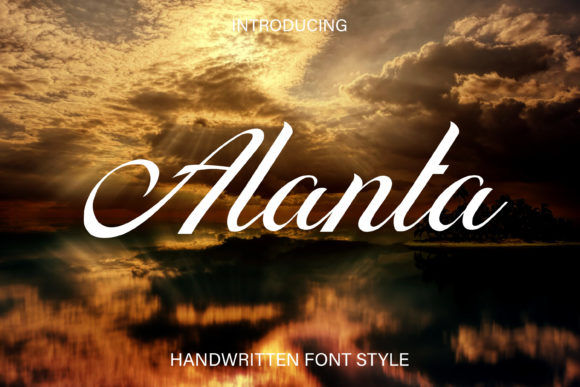
Finding the right typeface often feels like searching for a missing puzzle piece. You have the layout, the color palette, and the imagery, but the text lacks the specific personality required to tie it all together. This is where Alanta enters the conversation. It is an elegant and stylish handwritten font designed with a cursive flow that prioritizes legibility. It offers a distinct voice that balances sophistication with approachability, making it a versatile tool for a wide range of creative projects.
The Anatomy of Style and Readability
Many handwritten fonts suffer from a common trade-off: they look beautiful but are difficult to read, or they are legible but lack flair. Alanta navigates this challenge by maintaining a consistent baseline and clear character distinction. The curves are fluid, mimicking the natural pressure variations of a pen on paper, yet the spacing is calculated to ensure that words do not blur into one another. This makes it a practical choice for designers who need a personal touch without sacrificing clarity.
The "elegant" quality of Alanta comes from its refined swashes and ligatures. These details allow the font to feel luxurious without being pretentious. It does not scream for attention; rather, it invites the viewer to read closer. For professionals who value aesthetics, this subtle confidence is a significant asset.
Practical Applications for Creators and Entrepreneurs
The true value of a font lies in its application. Alanta is not merely a decorative element; it is a communication tool. Here is how different professionals can leverage its specific style:
Branding and Logo Design
For small business owners, particularly those in lifestyle, beauty, or artisan sectors, a logo sets the tone. Alanta works exceptionally well for logotypes because of its balanced weight. It conveys a sense of handmade quality and care. When used as a primary logo font, it suggests that the brand values craftsmanship. However, to maintain a professional hierarchy, pair it with a clean, geometric sans-serif for body text. This contrast ensures that the brand identity feels both personal and organized.
Wedding Stationery and Event Invitations
Event planners and stationery designers often require fonts that evoke emotion. Alanta’s cursive style is ideal for save-the-dates, menus, and place cards. Because it is easy to read, guests can quickly grasp the details of the event. It adds a romantic atmosphere to the materials without looking like a generic script font found on standard word processors. Using Alanta for headers and names creates a focal point that guides the eye naturally.
Digital Marketing and Social Media
In the fast-paced world of social media, capturing attention is difficult. Instagram graphics, Pinterest pins, and Facebook ads benefit from typography that breaks the visual monotony of standard system fonts. Alanta can be used for quotes, call-to-action overlays, or sale announcements. Its stylish nature helps stop the scroll, while its legibility ensures the marketing message is actually received.
Adapting Alanta for Different Audiences
Different audiences react to typography in different ways. A font that appeals to a teenager might not resonate with a corporate executive. Alanta occupies a middle ground that appeals to adults seeking sophistication.
- For the Educator or Coach: Use Alanta to highlight key takeaways in presentations or workbooks. It softens the academic tone, making the content feel more like a mentorship than a lecture.
- For the Blogger: Utilize Alanta for blog post titles or pull quotes. It breaks up long blocks of text and adds visual interest to the reading experience, encouraging visitors to stay on the page longer.
- For the Freelancer: Incorporate the font into invoices or project proposals. It adds a personal brand signature to administrative documents, reinforcing your professional identity in every interaction.
Design Tips for Maximum Impact
To get the most out of Alanta, it is helpful to follow a few design principles. Good typography is about context and contrast.
- Manage Your Hierarchy: Do not use Alanta for everything. If the headline, subheadline, and body text are all in the same handwritten style, the design becomes chaotic. Reserve Alanta for the most important elements—titles, headers, or short phrases—and use a neutral font for the rest.
- Watch Your Sizing: While Alanta is legible, it is still a script font. Extremely small sizes can make the cursive details hard to discern on lower-resolution screens. Aim for a minimum size that allows the loops and tails of the letters to remain distinct.
- Color and Background: Handwritten fonts often look best with high contrast. Ensure the background does not compete with the complexity of the lettering. A clean background allows the elegance of Alanta to shine.
Consistency Across Platforms
One of the challenges in modern design is maintaining consistency across print and digital formats. Alanta is designed to render well in various environments. Whether you are printing a business card or viewing a website header on a mobile device, the font retains its character. This reliability allows creators to build a cohesive visual identity. You can use the same font on your packaging, your website, and your social media profiles, ensuring that your audience recognizes your style instantly.
Conclusion
Typography is a subtle art that influences how a message is perceived. Alanta offers a solution for those who want to inject personality into their work without compromising on professionalism. It is a font that adapts to the needs of the user, whether they are designing a wedding invitation, a corporate presentation, or a social media campaign. By understanding its strengths and applying it thoughtfully, you can elevate your projects and create designs that truly resonate. It is a confident choice for anyone looking to blend style with substance.