Boogie Nights Font: Retro Style for Modern Designs
What Makes This Font Stand Out?
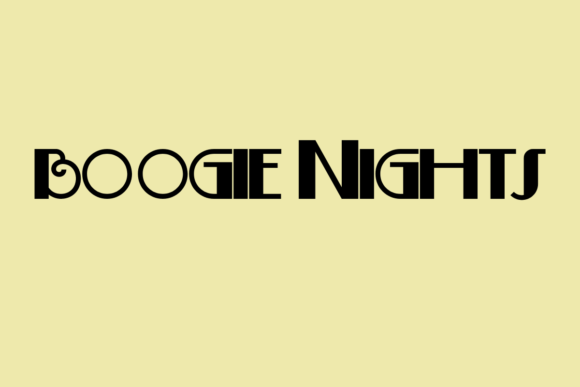
Boogie Nights is a sans serif typeface that brings instant energy to any project. Created by Nick Curtis, it comes in two distinct styles: regular and shadow. The regular version offers clean, bold letters with a distinct retro flair, while the shadow variant adds depth and a three-dimensional effect that makes text pop off the page. This duality gives designers flexibility without needing to pair multiple fonts.
The most distinctive feature is the lightning bolt uppercase S. This detail transforms a simple letter into a design element. It injects personality and movement, making it perfect for projects that need to grab attention quickly. The overall aesthetic leans into late 1970s and early 1980s design, evoking disco, funk, and bold graphic trends of that era.
Practical Applications Across Media
This font excels in contexts where you want to communicate fun, excitement, or nostalgia. Event posters for parties, concerts, or retro-themed nights are a natural fit. The bold, readable characters ensure information is clear even from a distance, while the style sets the mood immediately.
For marketing materials, consider Boogie Nights for flyers, banners, and social media graphics promoting sales, launches, or special events. It works particularly well for businesses targeting a youthful, energetic audience—think bars, music venues, clothing brands, or fitness studios running themed classes.
Digital creators can use it effectively in YouTube thumbnails, podcast cover art, or blog headers related to entertainment, pop culture, or design tutorials. The font’s character makes it memorable, helping content stand out in crowded feeds.
Adapting for Different Audiences
A small business owner promoting a summer sale could use the shadow style on window displays or email headers. The depth adds a tactile, inviting quality. A freelancer designing album artwork for an indie band might use the regular style in a composition with vintage textures and grain, creating a cohesive retro-modern look.
Educators or workshop facilitators running creative sessions could incorporate it into presentation slides or handout titles to set a lively, engaging tone. The key is matching the font’s inherent energy to the project’s goal without overwhelming the core message.
Design Tips for Effective Use
Pair Boogie Nights with simpler, neutral typefaces for body text. A clean sans serif or even a classic serif can balance its bold personality. This ensures readability and keeps the design from feeling chaotic.
Color choice dramatically affects the outcome. High-contrast, vibrant palettes—like neon pink on black or electric blue on white—amplify the retro vibe. For a more subdued approach, use the font in a single color on a textured background, letting the letterforms do the talking.
Consider the context of use. On a t-shirt, the font might be the sole graphic element, paired with a simple tagline. On a website, it could be reserved for main headings only, used sparingly to create impact without sacrificing site-wide readability.
Exploring Creative Variations
While the font itself is fixed, you can create visual variations through treatment. Applying a gradient fill within the letters can modernize the look. Using it in all caps creates a uniform, powerful statement. Mixing it with hand-drawn elements or photography can bridge the retro and contemporary styles.
The shadow style is particularly useful for creating layered compositions. Imagine text placed over a patterned background, with the shadow providing separation. This technique adds dimension to flat designs for posters or digital ads.
Maintaining Clarity and Originality
The strongest designs use distinctive fonts like Boogie Nights with purpose. Avoid using it for long paragraphs; its strength is in headlines, logos, and short, impactful phrases. Overuse can dilute its effect and harm readability.
Think about your audience’s expectations. A poster for a vintage market will welcome the style immediately. A corporate report, however, would not. Always align typographic choices with the tone and message of the project.
Originality comes from thoughtful combination and context. Use the lightning bolt S as a focal point in a logo. Combine the font with unexpected elements—like minimalist line art or muted earth tones—to create a fresh interpretation rather than a direct copy of 70s aesthetics.
Ultimately, Boogie Nights is a tool for adding character. Its value lies in its ability to inject a specific mood efficiently. By applying it with intention—considering pairing, color, context, and audience—you can leverage its retro charm to create designs that are both visually striking and effectively communicative. It’s not just a font; it’s a starting point for a creative direction.