ShoCard Caps: Unlocking Vintage 3D Style for Modern Designs
In the vast universe of typography, few styles capture attention quite like a font that bridges the gap between the past and the present. ShoCard Caps is exactly that—a typeface that commands the stage with a distinct retro flair and a striking three-dimensional appearance. For designers, business owners, and creative enthusiasts, finding the right font is often the missing piece of the puzzle when trying to convey a specific mood or era. ShoCard Caps offers a solution that is both nostalgic and functional, providing a visual weight that lighter, modern sans-serifs often lack.
Created by the talented typographer Nick Curtis, this font is not merely a collection of letters; it is a carefully crafted piece of art designed to evoke the spirit of classic signage, vintage posters, and mid-century advertising. However, understanding how to wield such a powerful typographic tool requires more than just a glance. It requires an appreciation for its characteristics, its best use cases, and the technical nuances that make it shine. This guide explores the world of ShoCard Caps, offering insights into how you can integrate this retro masterpiece into your next project.
The Anatomy of a Classic: What Makes ShoCard Caps Unique?
To truly appreciate ShoCard Caps, one must look beyond the surface. At its core, the font is classified as a retro-style display typeface. "Display" is a key term here; it implies that this font is intended for large sizes, such as headlines and titles, rather than for long blocks of body text. Its design DNA is rooted in the bold, graphic styles of the early to mid-20th century, a time when typography was often used as a primary illustration element.
The 3D Illusion
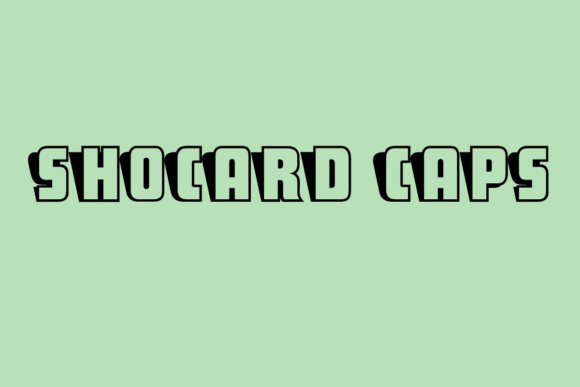
The most defining characteristic of ShoCard Caps is its three-dimensional appearance. Unlike flat, digital fonts that sit passively on the screen, these characters seem to pop out of the page. This effect is achieved through the clever use of shading, bevels, or drop shadows integrated directly into the font's vector paths. The result is a sense of depth and solidity that adds a tactile quality to digital designs. When you type with ShoCard Caps, you aren't just laying down text; you are placing sculptural objects onto your canvas.
Designed by Nick Curtis
The pedigree of a font matters. Nick Curtis is a renowned figure in the world of type design, known for his ability to digitize and reimagine historical letterforms. His work often focuses on preserving the charm of hand-lettering and vintage advertising while making it accessible for modern software. ShoCard Caps is a testament to his expertise, balancing artistic expression with technical usability. Knowing that this typeface comes from a reputable source assures users of its quality and authenticity.
Visual Characteristics and Aesthetics
The visual language of ShoCard Caps is bold, unapologetic, and highly stylized. It draws inspiration from "sho-card" lettering—a style traditionally used by showcard writers to create window displays and sales signs for retail stores. This heritage gives the font an inherent association with commerce, promotion, and eye-catching announcements.
- Weight and Stature: The characters are generally heavy and substantial. They occupy space confidently, making them impossible to ignore. This heavy weight ensures legibility even from a distance, a crucial factor for physical signage.
- Geometric vs. Organic: While it has structural geometry, the letterforms often possess a slight organic quality, reminiscent of brush strokes or pen work. This prevents the font from looking too sterile or mechanical.
- Dimensionality: As mentioned, the 3D effect is the star of the show. Depending on the specific implementation or pairing, this dimensionality can be enhanced with color gradients, but it stands strong even in monochrome.
Practical Applications: Where to Use ShoCard Caps
Understanding the aesthetic of ShoCard Caps is one thing; knowing where to apply it is another. Because of its strong personality, this font is best used in scenarios where grabbing attention is the primary goal. It is a specialist tool, not a generalist one.
Posters and Flyers
The most natural habitat for ShoCard Caps is the poster. Whether you are designing a flyer for a local vintage market, a rockabilly concert, or a classic car show, this font sets the mood instantly. Its retro vibe communicates "event" and "experience" without the viewer needing to read the fine print. Use it for the main headline to anchor the design and establish the theme.
Magazine Layouts
In editorial design, variety is key. A magazine spread can benefit from the dramatic entrance of ShoCard Caps. It works exceptionally well for drop caps, pull quotes, or feature article titles. By breaking the monotony of standard serif or sans-serif body text, it draws the reader's eye to specific content, encouraging them to engage with the story.
Branding and Logo Design
For businesses that want to project an image of tradition, durability, or retro cool, ShoCard Caps can be a game-changer. Think of a BBQ restaurant, a barbershop, a craft brewery, or a vintage clothing store. Using this font in a logo or wordmark can instantly communicate the brand's values and aesthetic to potential customers. It suggests a connection to the "good old days" of quality craftsmanship.
Digital and Web Use
While it is a display font, it translates well to the digital realm when used correctly. Website hero sections (the large banner area at the top of a homepage) are perfect candidates. A bold statement written in ShoCard Caps can hook visitors immediately. Additionally, it can be used for YouTube thumbnails, podcast cover art, or social media graphics where scroll-stopping power is essential.
Who Benefits from This Typeface?
The utility of ShoCard Caps extends across various professional and creative fields. It is not limited to graphic designers; anyone involved in visual communication can find value in its unique properties.
- Small Business Owners: If you run a business with a brick-and-mortar presence, signage is vital. ShoCard Caps can be used for window decals, menu headers, or sale signs to attract foot traffic with a professional, retro look.
- Event Planners: Creating invitations or promotional materials for themed parties, weddings with a vintage twist, or community fairs becomes much easier when the font does half the thematic heavy lifting.
- Content Creators: YouTubers, bloggers, and podcasters need strong branding. Using ShoCard Caps for episode titles or channel art helps build a recognizable visual identity that stands out in crowded feeds.
- Apparel Designers: The font style is highly popular in the fashion industry, particularly for T-shirt designs. Its boldness ensures that text-based designs are readable and impactful.
Guidance on Evaluating Suitability
While ShoCard Caps is a powerful asset, it is not a universal solution. Effective design requires knowing when to use a tool and, just as importantly, when to leave it in the toolbox. Here is some guidance on evaluating if this font is right for your specific project.
The Tone of the Project
Consider the emotional tone you wish to convey. ShoCard Caps evokes feelings of nostalgia, fun, boldness, and tradition. If you are designing for a cutting-edge tech startup, a minimalist luxury brand, or a serious medical institution, this font might send the wrong message. It thrives in environments that embrace personality and history.
Readability vs. Style
Display fonts often sacrifice some readability for style, and ShoCard Caps is no exception. The 3D effects and decorative elements that make it beautiful can make it harder to read in small sizes or at a glance. Therefore, it should strictly be used for headlines, titles, or short bursts of text. Never use it for body copy, instructions, or critical information that needs to be processed quickly.
Pairing with Other Fonts
A great design is rarely about a single font; it is about the conversation between different typefaces. ShoCard Caps is loud and dominant. To create a balanced composition, pair it with a quieter, neutral font for the supporting text.
- Good Pairings: Clean sans-serifs (like Helvetica, Arial, or Open Sans) or simple serif fonts (like Georgia) provide a calm background that allows ShoCard Caps to take center stage.
- Risky Pairings: Avoid pairing it with other highly decorative, script, or 3D fonts. This creates visual noise and makes the design look cluttered and amateurish.
Strengths and Considerations
Every design asset comes with a set of pros and cons. A professional approach involves weighing these factors to make an informed decision.
Strengths
- Instant Impact: The visual weight and 3D nature of ShoCard Caps ensure that it grabs attention immediately.
- Thematic Consistency: It instantly establishes a retro or vintage atmosphere, saving time on additional design elements.
- Versatility in Retro Contexts: It works across print and digital media, provided the context is appropriate.
Considerations
- File Size and Rendering: Complex fonts with 3D effects can sometimes be heavier in file size or render differently across various browsers or printers. Always test your output.
- Overuse: Because it is so distinct, using ShoCard Caps too frequently can make a design feel repetitive or "campy." Use it sparingly for maximum effect.
- Color Dependency: While it looks great in black and white, the 3D effects truly come alive with color. Designers should consider how they will color the text to enhance the depth.
Conclusion
ShoCard Caps by Nick Curtis is more than just a font; it is a bridge to a bygone era of bold graphic design. Its retro style and 3D characters offer a unique way to add vintage charm to modern projects. Whether you are a business owner looking to revamp your signage, a designer crafting a magazine spread, or a creator building a personal brand, this typeface provides a reliable way to make a statement.
By understanding its features, respecting its limitations, and applying it thoughtfully, you can harness the full potential of ShoCard Caps. It reminds us that in the digital age, there is still immense value in the tactile, hand-crafted aesthetics of the past. When used correctly, it doesn't just display words; it displays character, history, and style.