Fakedes: How to Use This Striking Serif Typeface Without Sabotaging Your Design
In the vast ocean of typography, finding a font that truly captures a sense of luxury without feeling antiquated can be a challenge. Fakedes enters the conversation as a striking serif typeface that bridges the gap between classic elegance and modern outline aesthetics. It is not just another font file to drag into your library; it is a stylistic statement designed specifically for upscale, chic branding. However, the very features that make Fakedes visually arresting—specifically its outlined and bold outlined styles—can also lead to significant design pitfalls if not handled with technical care and an experienced eye.
For designers, entrepreneurs, and creators looking to elevate their visual identity, Fakedes offers a unique opportunity. But to use it effectively, you must look past the surface-level beauty and understand the practical application of outline typography. Below, we will explore the common mistakes people make when using this typeface and how you can ensure your designs remain polished and professional.
Understanding the Anatomy of Fakedes
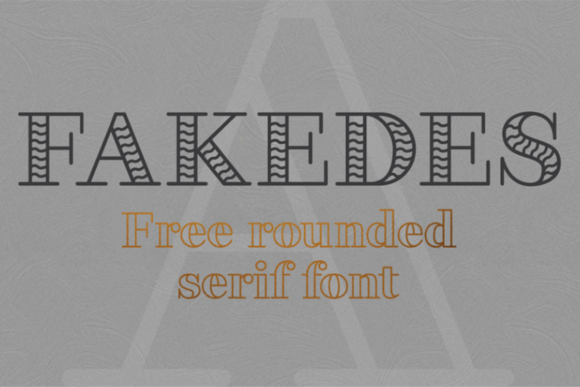
Before diving into application, it is vital to understand what makes Fakedes distinct. Unlike a standard solid serif typeface, Fakedes is defined by its negative space. It comes in two primary styles: outlined and outlined bold. This distinction is crucial. The "outlined" style offers a delicate, airy feel, perfect for minimalist luxury branding. The "outlined bold" provides more visual weight and presence, making it suitable for headlines where you need to command attention without the heaviness of a filled block of text.
The "serif" classification implies tradition, but the execution of Fakedes is contemporary. It is designed to look upscale and chic, targeting industries like high-end fashion, jewelry, interior design, and luxury hospitality. However, because it is not a standard "workhorse" font like Helvetica or Times New Roman, it requires a different set of rules for usage.
The "Invisible Text" Trap: Legibility and Backgrounds
The most frequent mistake beginners and even some professionals make with outlined typefaces is ignoring the background. Because Fakedes is not solid, the background color or image becomes part of the letterform. If you place an outlined font over a busy, high-contrast photograph or a textured background, the letter "interior" absorbs the visual noise of the image.
The Consequence: Your headline becomes illegible. The brain struggles to separate the letter shape from the background details, causing eye strain and diminishing the impact of your message. A beautiful header means nothing if your audience has to squint to read it.
The Better Approach: Always use Fakedes on solid, high-contrast backgrounds. Ideally, use a clean white or dark charcoal background to let the outlines stand out clearly. If you must use an image, ensure the area behind the text is visually quiet or use a solid color overlay (a "knockout" box) behind the text to create a clean pocket of legibility.
Overlooking Stroke Weight and Scaling
Typography is often a game of physics. What looks great at 72pt on your monitor might look like a mess at 12pt on a business card. Because Fakedes relies on strokes rather than fills, the weight of those strokes changes relative to the size of the text.
The Mistake: Using the standard "outlined" style for body text or small sub-headers. At small sizes, the thin strokes of the outline may disappear or create a vibrating visual effect against the background. Conversely, using the "outlined bold" on massive billboards can sometimes make the letters look chunky and lose the elegance the font is designed to convey.
The Solution: Reserve Fakedes for display use—headlines, logos, and hero text. If you are designing a print piece, always print a physical test proof. Check that the strokes of the outline have not merged into a single blob of ink. For digital use, test the font on mobile devices; if the outlines look jagged or too thin on a phone screen, switch to the Bold variant or increase the font size.
The "All-Caps" Misconception
Many users see a chic, upscale font and immediately switch the keyboard to ALL CAPS, assuming it will look more authoritative. While Fakedes does support uppercase letters, the dynamics of an outlined font change drastically when you remove the ascenders and descenders (the parts of letters that stick up or hang down, like in 'h' or 'p').
The Issue: A line of all-caps outlined text creates a uniform "block" shape. Without the variety of letter heights, the outlined style can look repetitive and geometric rather than elegant. It loses the flow that gives serif fonts their personality.
Practical Advice: Try using Title Case or Sentence Case for your main headlines. Allow the letters to have their natural hierarchy. If you must use all caps, consider increasing the letter-spacing (tracking) significantly. Outlined fonts need breathing room; cramming outlined capital letters together makes the negative space between them too chaotic.
Pairing Fakedes with the Wrong Companion Fonts
A font rarely lives alone. Fakedes is a "display" font, meaning it is the star of the show. A common error is pairing it with another decorative serif or a script font. This creates a "clash of the titans" where the viewer doesn't know where to look.
The Result: The design feels cluttered, amateurish, and lacks hierarchy. Two strong fonts fighting for attention results in visual noise.
The Expert Choice: Pair Fakedes with a clean, neutral sans-serif font for body text (like Roboto, Open Sans, or Montserrat). The structural simplicity of the sans-serif will complement the intricate outlines of Fakedes. This contrast allows the headline to be "chic" while the body copy remains highly readable and functional.
Evaluating the "Trend" Factor
Finally, it is important to evaluate whether Fakedes aligns with your long-term brand strategy. Outline fonts are undeniably trendy in the realms of fashion and lifestyle branding. However, trends are temporal.
A Word of Caution: If you are building a brand that aims for "timeless stability" (like a law firm or a government agency), an outlined font might feel too trendy or flimsy. If you are a boutique, a creative agency, or a lifestyle brand, Fakedes is an excellent choice to signal modernity.
Before committing, ask yourself: Does this font communicate the permanence of my business, or just the current style of the industry? If you choose Fakedes, ensure your brand identity is strong enough to evolve if font trends change in five years.
Conclusion
Fakedes is a powerful tool for adding a layer of sophistication and visual interest to your designs. Its outlined nature offers a refreshing break from solid, heavy typography. By avoiding the pitfalls of background interference, ensuring proper scaling, and pairing it intelligently, you can harness its upscale potential. Use it to draw the eye, but use it wisely to keep the mind engaged.