Order: A Free Geometric Sans-Serif for the Modern Designer
In the search for the perfect typeface, designers and creatives often find themselves caught between two worlds. On one side, there are the premium, enterprise-level fonts with complex licensing fees and heavy file sizes. On the other, there is the vast ocean of free fonts, many of which lack the technical polish or versatility required for professional work. Finding a middle ground—a typeface that is free, high-quality, and versatile—is a rare and valuable discovery. This is exactly where Order, a geometric sans-serif created by Mike Hill, establishes its presence.
Order is not just another generic sans-serif; it is a carefully crafted tool designed for clarity and impact. It stands out in the crowded field of typography because it offers a complete package of variations while maintaining a zero-cost barrier to entry. For freelancers, startups, and students, having access to a font family like Order can be a game-changer, allowing for sophisticated visual hierarchy without impacting the budget.
The Anatomy of Order: Clean, Geometric, and Functional
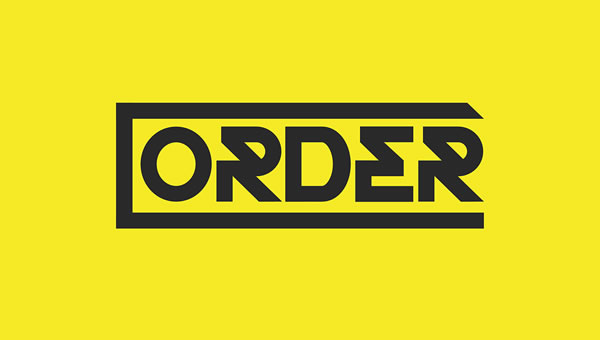
At its core, Order is a geometric sans-serif. This means the shapes of the letters are constructed using clean, mathematical forms—circles, squares, and triangles. Think of classics like Futura or Gotham. This geometric foundation gives Order a sense of stability, modernity, and neutrality. It doesn’t scream for attention with quirky serifs or unusual curves; instead, it provides a clean canvas for your content.
What makes Order particularly useful is the balance Mike Hill achieved between personality and restraint. The letterforms are open and airy, ensuring high legibility even at smaller sizes. However, they possess enough structural integrity to hold their own in large headlines. This duality makes it a "workhorse" font. You can use it for a corporate report, a tech startup’s landing page, or a minimalist poster, and it will feel equally at home in all three scenarios.
Exploring the Four Variations
The true power of the Order font family lies in its four distinct variations. Having access to these different styles allows designers to create complex visual systems using a single typeface family, ensuring consistency while still providing visual contrast. Here is a breakdown of the styles available:
- Order Regular: This is the backbone of the family. It features solid strokes and balanced spacing. It is the go-to choice for body copy, paragraphs, and general UI text where readability is the primary concern.
- Order Light: By reducing the stroke weight, Order Light introduces elegance and breathability. It is excellent for subtitles, secondary information, or creating a high-end, luxury aesthetic. However, care should be taken not to use it for small body text on low-resolution screens, as thin strokes can sometimes disappear.
- Order Outline: This variation strips the fill from the letters, leaving only the border. Outline fonts are trending in modern design, particularly for hero sections and display text. They allow background images or colors to show through the letters, creating depth and texture.
- Order Rounded: Softening the sharp geometric corners, this variation brings a friendlier, more approachable vibe. It is perfect for children’s products, casual branding, or user interfaces that need to feel warm and inviting rather than strictly corporate.
Practical Applications in Modern Workflows
Typography is rarely just about how letters look; it is about how they function within a specific medium. Order was designed with modern digital workflows in mind, making it a practical choice for a variety of industries.
Web and UI Design
In the realm of User Interface (UI) design, clarity is king. Order’s geometric nature makes it incredibly legible on digital screens. Whether you are designing a mobile app dashboard or a complex SaaS platform, Order Regular provides the stability needed for data-heavy interfaces. Meanwhile, using Order Light for secondary navigation or metadata can help establish a clear information hierarchy without cluttering the screen.
Furthermore, the Order Outline style has become a favorite in web design for "hero" sections. Imagine a large headline written in Order Outline floating over a video background. It creates a modern, architectural look that is currently very popular in tech and creative agency websites.
Branding and Logo Design
When building a brand identity from scratch, versatility is essential. A logo needs to work on a billboard, a business card, and a favicon. Because Order has a neutral geometric structure, it serves as a fantastic base for wordmarks. A designer could take Order Rounded to soften a brand’s image for a wellness startup, or stick with Order Regular for a fintech company that needs to look secure and reliable.
Since the font is free, it is also an excellent choice for "Minimum Viable Product" (MVP) branding. Startups can use Order to create professional-looking pitch decks and websites in their early days, saving their budget for development rather than expensive font licensing.
Editorial and Print
While digital is dominant, print is far from dead. Order’s clean lines translate well to paper. It works beautifully for magazine headlines, flyer text, and packaging. For instance, a coffee shop menu might use Order Regular for item descriptions and Order Light for prices, creating a sophisticated yet readable layout. The font’s ability to hold up in both black-and-white and color makes it reliable for various printing scenarios.
Design Considerations and Best Practices
While Order is a robust tool, using it effectively requires an understanding of typographic principles. Simply installing the font isn't enough; you must know how to deploy it.
Pairing Strategies
Because Order is a sans-serif, it pairs exceptionally well with serif fonts for contrast. If you are writing a blog or an article, consider using a classic serif like Merriweather or Playfair Display for the body text, and Order Bold or Order Regular for the headings. This contrast creates a dynamic reading experience that guides the eye naturally down the page.
Alternatively, for a strictly modern, tech-focused look, you can pair Order with a monospaced font. Using a code-style font for captions or technical specs alongside Order Regular creates a "developer aesthetic" that is very popular in the tech community.
Spacing and Hierarchy
Geometric fonts often benefit from generous letter spacing (tracking), especially when used in all-caps headlines. If you are using Order Outline or Order Regular for a title, try increasing the letter spacing by 50 to 100 units. This opens up the text and gives it a more prestigious, architectural feel.
When using the different weights to create hierarchy, ensure the jump is significant enough. For example, using Order Light for a title and Order Regular for the text might not provide enough contrast. Instead, try Order Light for the text and a bold weight (if available in the full release) or Order Outline for the title. The goal is to make the structure of the page immediately obvious to the viewer.
The Open Source Advantage
One of the most significant aspects of Order is its availability. In an industry where font licensing can cost hundreds of dollars per year per weight, finding a high-quality free alternative is a massive relief. Mike Hill’s decision to release Order as a free font democratizes good design.
This open nature means you can use it for personal projects, client work, and commercial products without worrying about legal entanglements. However, it is always good practice to check the specific license file included with the download, as licenses can change or have specific attribution requirements. Generally, Order allows for a frictionless creative process.
Final Observations on the Order Typeface
Order represents the best of modern open-source typography. It proves that free fonts do not have to look "cheap." By providing four distinct variations—Regular, Light, Outline, and Rounded—Mike Hill has given designers a complete ecosystem for visual communication.
Whether you are a student working on a thesis, a developer building a side project, or a professional designer looking for a reliable sans-serif, Order is a worthy addition to your font library. Its geometric precision, combined with its approachable style, makes it a font that is likely to stay relevant for years to come. Download it, experiment with the weights, and see how this structured typeface can bring order to your next design project.