Unlocking the Power of Timber: A Guide to Using This Sharp Display Font
In the vast landscape of digital typography, finding a font that balances boldness with readability can be a challenge. Timber is a simple and sharp-looking display font designed to inspire creative works. While it promises endless possibilities for designers, marketers, and entrepreneurs, the gap between a good font and a great design often lies in how it is applied. If you are considering Timber for your next project, understanding its specific character is crucial to avoid common pitfalls that can undermine your visual communication.
Understanding the Character of Timber
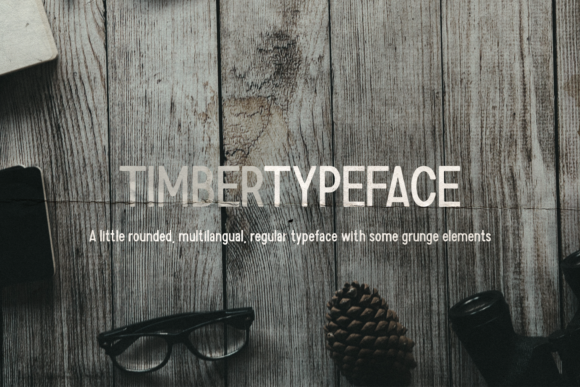
Before you download or apply Timber, it is essential to understand its DNA. It is categorized as a display typeface, which means it is engineered to attract attention rather than to carry long-form text. Its aesthetic is defined by clean lines and a modern, sharp geometry. This makes it an excellent candidate for headlines, logos, and branding elements where a strong, confident voice is needed. However, its strength lies in its simplicity; it does not rely on excessive ornamentation to make its point. For creators ranging from educators to freelancers, this font offers a versatile foundation, but only if used within its intended parameters.
Avoiding the "Wall of Text" Trap
One of the most frequent errors beginners and even seasoned professionals make is confusing display fonts with text fonts. Because Timber looks "cool" and sharp, there is a temptation to use it for everything on the page, including body copy. This is a critical mistake that can ruin the user experience.
When a high-impact font like Timber is used for long paragraphs, it becomes visually fatiguing. The sharpness that makes it great for headlines can make it feel aggressive and difficult to read in smaller sizes. The result is a design that looks amateurish and forces visitors to leave the page because reading requires too much effort.
The Better Approach: Hierarchy is Key
To get the most out of Timber, practice strong typographic hierarchy. Use Timber exclusively for your H1 and H2 headings to create that sharp, inspiring look. Then, pair it with a highly legible sans-serif or serif font for your body text. This contrast allows Timber to shine without overwhelming the reader. For example, a marketing brochure might use Timber for the slogan to grab attention, while the offer details are written in a neutral, readable typeface.
The Misunderstanding of "Endless Possibilities"
The phrase "endless possibilities" is often interpreted as "works everywhere." While Timber is versatile, it is not a universal cure-all. A common misunderstanding is that a sharp, modern display font fits every brand identity. If you are working on a project that requires a vintage, handwritten, or highly formal academic feel, Timber might actually clash with the content.
Using Timber in a context that fights against its nature creates cognitive dissonance for the viewer. For instance, using it for a children’s storybook or a classic Italian restaurant menu might feel disjointed. The font communicates strength and modernity; if your brand message is soft, whimsical, or ultra-traditional, you may need to look elsewhere. Always evaluate if the font’s personality matches the story you are trying to tell.
Technical Oversights: Licensing and File Formats
For small business owners and entrepreneurs, the excitement of finding the perfect font can lead to oversight regarding the technical details. Before integrating Timber into your workflow, you must verify the licensing. Are you using it for a personal blog, or a commercial product that will be sold? Misunderstanding font licensing can lead to legal issues or unexpected costs down the road.
Additionally, check the file formats provided. For web design, you will need web-optimized formats like WOFF or WOFF2, whereas print design requires OTF or TTF files. Ensure that Timber supports the specific characters and glyphs you need for your project, especially if you are creating content in languages other than English.
Neglecting Spacing and Alignment
A sharp font demands sharp execution. Because Timber features distinct, clean edges, any misalignment or inconsistent spacing becomes glaringly obvious. Beginners often accept the default tracking (letter-spacing) and leading (line-height) provided by their design software. However, display fonts often require manual adjustment to look their best.
If the letters are too tight, the sharp edges will collide, making the text unreadable. If they are too loose, the "sharp" look falls apart, and the text looks scattered. The solution is to zoom in and manually kern your headlines. Take the time to adjust the space between individual letter pairs. This manual refinement is what separates a generic template from a professional design.
Checking Compatibility and Rendering
Before finalizing your design with Timber, always test how it renders across different devices. A font that looks crisp on a high-resolution Mac screen might look jagged or thin on a lower-quality Windows monitor or a mobile device.
Test the font at various sizes to ensure the "sharp" aesthetic holds up. Sometimes, a font that looks great at 72pt can lose its character at 24pt. For web designers, checking the page load speed is also vital. While Timber can enhance the look of your site, if the font files are too large and slow down your loading time, it will negatively impact your SEO and user retention.
Practical Application for Creators
To truly explore the endless possibilities of Timber, think beyond the obvious. While it is excellent for website headers, consider how it can be applied in other areas:
- Social Media Graphics: Use Timber for bold statements on Instagram or Pinterest to stop the scroll. Its sharpness cuts through the noise of a busy feed.
- Presentations: For educators and corporate professionals, using Timber for slide titles can make a presentation feel more dynamic and less like a standard template.
- Merchandise: If you are an entrepreneur selling t-shirts or mugs, a clean display font like Timber ensures your message is readable from a distance.
Conclusion
Timber is indeed a font that inspires, but inspiration must be paired with technique. By avoiding the mistake of using it for body text, respecting its modern personality, and paying close attention to technical details like licensing and spacing, you can elevate your work significantly. Whether you are a freelancer building a brand identity or a hobbyist designing a poster, treat Timber as a specialized tool. When used correctly, it will deliver the sharp, professional results you are looking for.